
After meeting with our pedagogical leader, Kathy Boelsma, we were left with a question that feels both simple and deeply confronting:
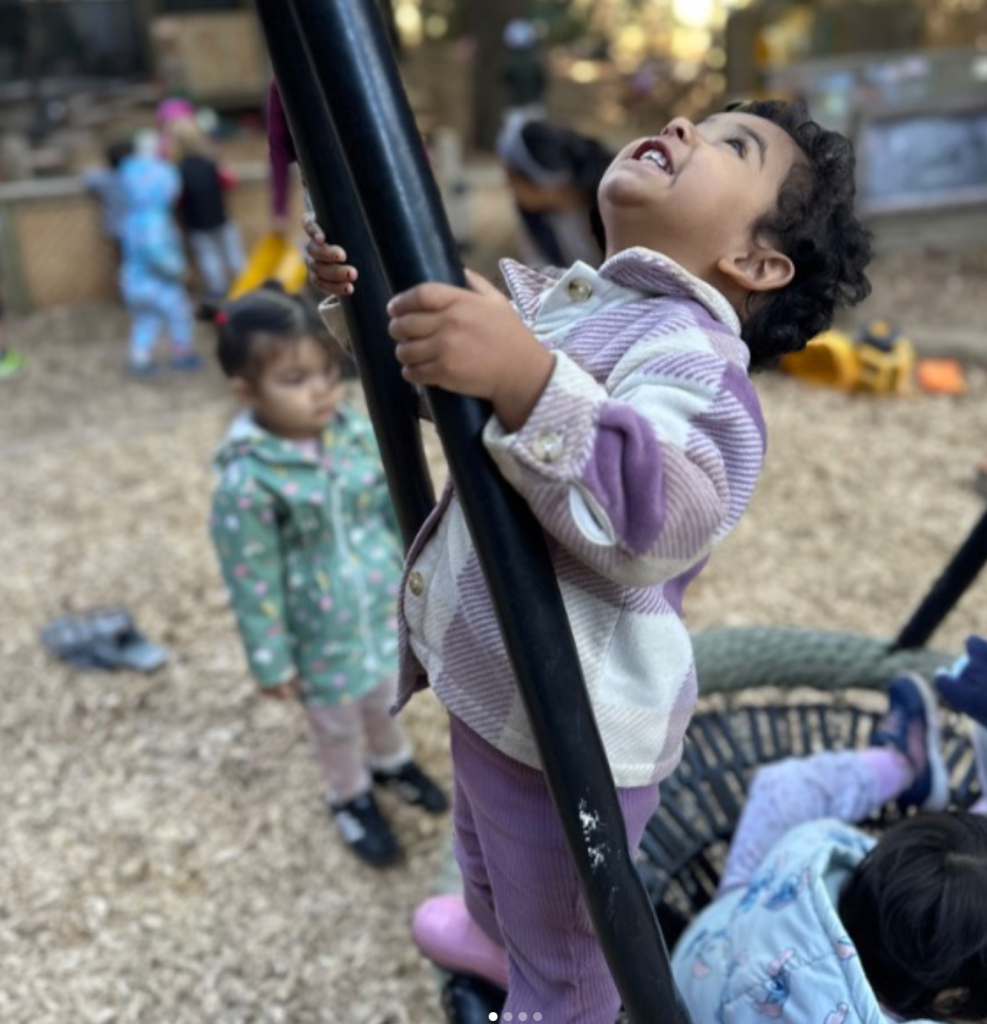
If we believe children are capable, competent, and full of potential—
are we actually living that belief in our daily practice?
This question invites us to move beyond philosophy and into reflection.
Beyond what we say—into what we do.
Seeing Children Differently: Why the “Image of the Child” Matters in Our Work
In early childhood education, there are many things we do each day ie: routines, transitions, conversations, documentation, planning. But beneath all of these actions is something more powerful, more invisible, and more influential:
What we believe about children.
This belief is what the Reggio Emilia approach calls the “Image of the Child”; it is not just a philosophy statement. It is a lens. A stance. A way of seeing that quietly shapes every interaction, every environment, and every decision we make.
What Is the “Image of the Child”?
The “Image of the Child” refers to the deeply held beliefs we carry, consciously or unconsciously, about:
- Who children are
- What they are capable of
- How they learn and grow
These beliefs are not neutral. They show up in subtle, everyday ways.
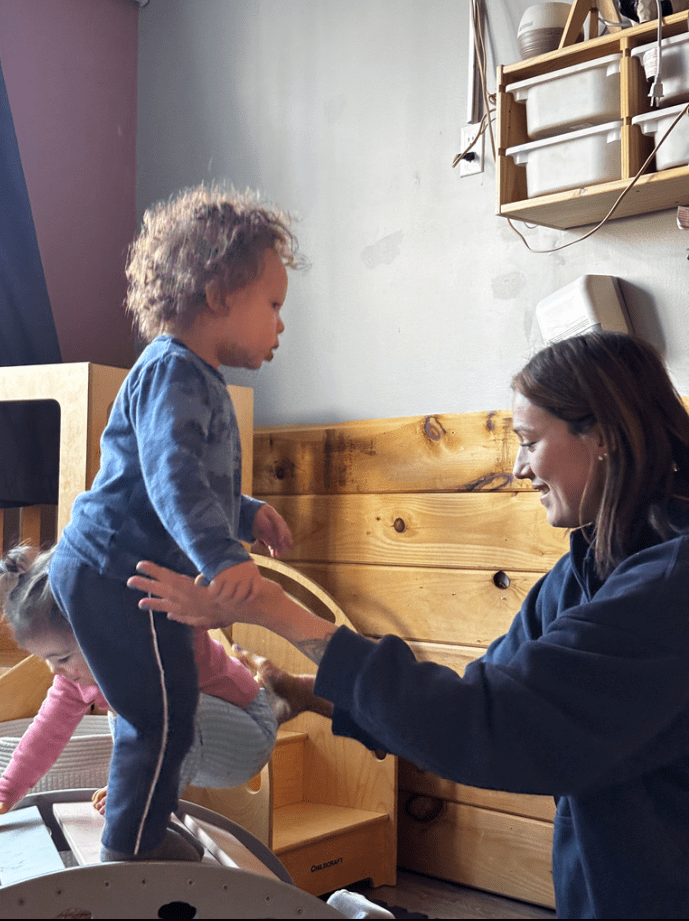
They shape:
- How we speak to children
- The environments we create
- The curriculum we offer
- The expectations we hold
- The relationships we build
If we see children as needing constant direction, we step in quickly.
If we see children as capable thinkers, we pause, observe, and listen.
A Reggio-Inspired Perspective: Children as protagonists of their own learning
At Allegro Child Care Centre, our image of the child is grounded in the values of the Reggio Emilia approach.
We see each child as:
- Capable — able to have ideas, problem-solve, and make meaning
- Competent — trusted with real responsibility and participation
- Curious — driven by a natural desire to explore and understand
- Rich in potential — holding ideas, theories, and perspectives worth listening to
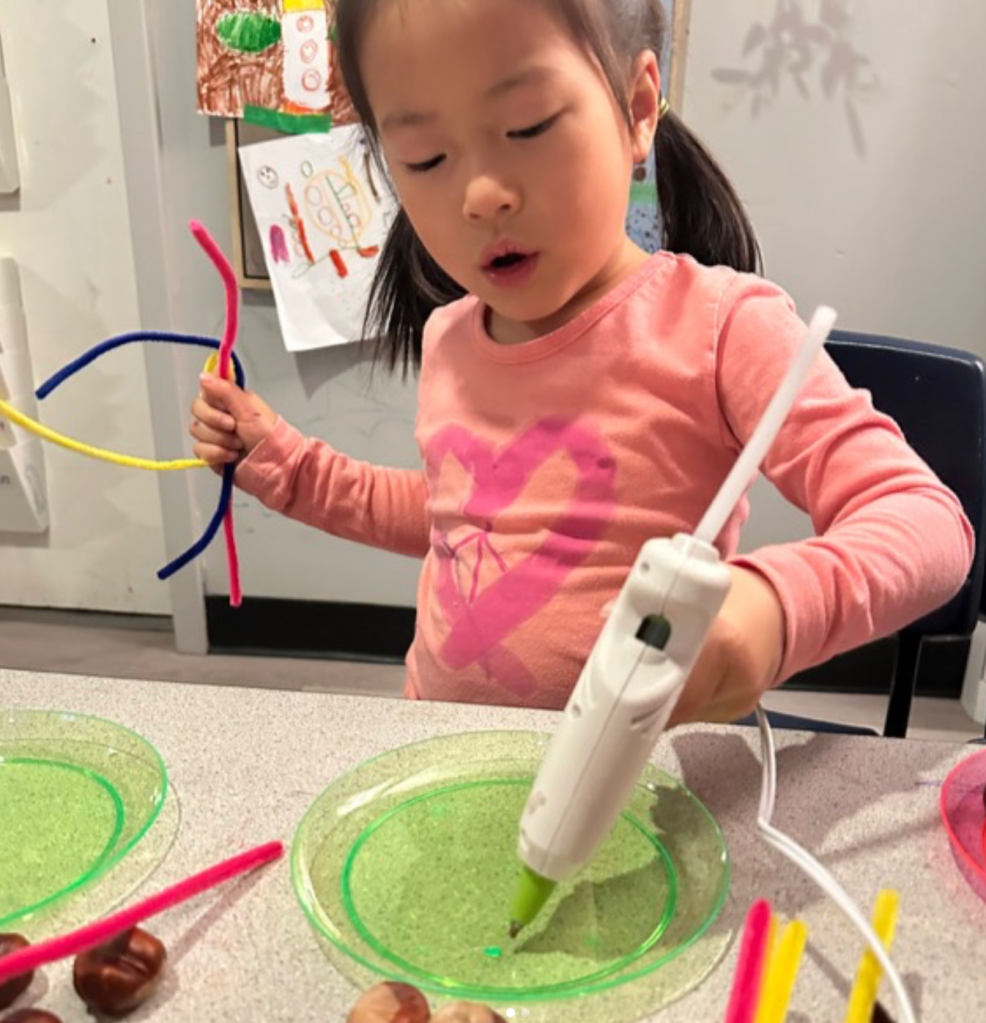
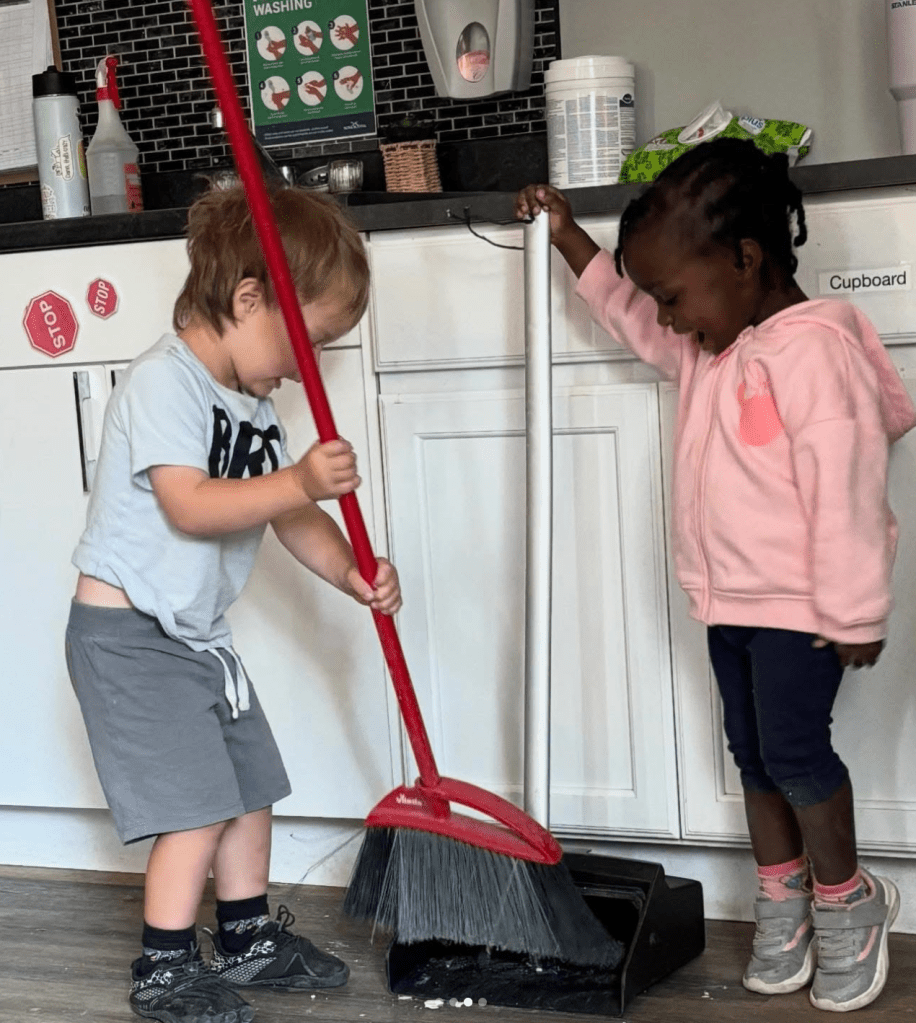
Children are not empty vessels waiting to be filled.
They are:
- Researchers testing ideas
- Collaborators building knowledge together
- Communicators expressing themselves in many ways
This belief aligns with one of the central values of the Reggio approach: that learning happens through relationships with people, materials, environments, and ideas.
How This Image Comes to Life in Practice
1. How We Speak to Children
When we believe children are capable, our language shifts.
Instead of:
- “No, don’t do that.”
We might say:
- “I see what you’re trying to do. Let’s think about how we can do it safely.”
We move from control → to collaboration.
From correction → to connection.
2. The Environments We Create
Our environments reflect what we believe children can handle.
If we see children as competent:
- Materials are accessible
- Spaces are intentional and beautiful
- There is room for choice, movement, and exploration
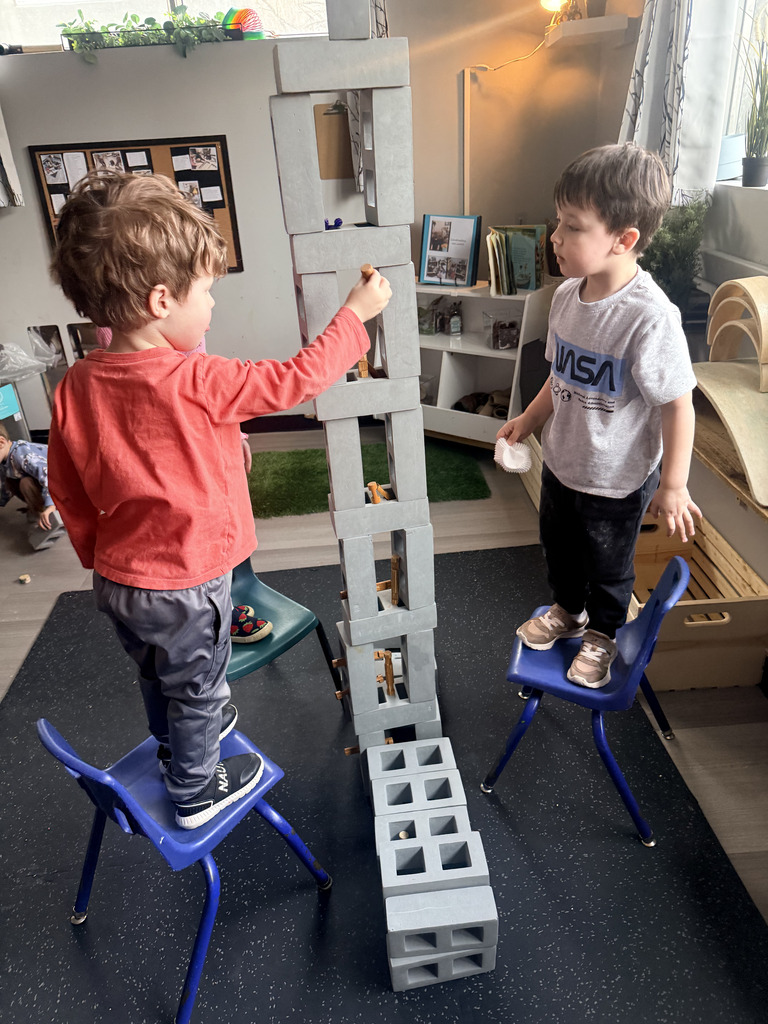
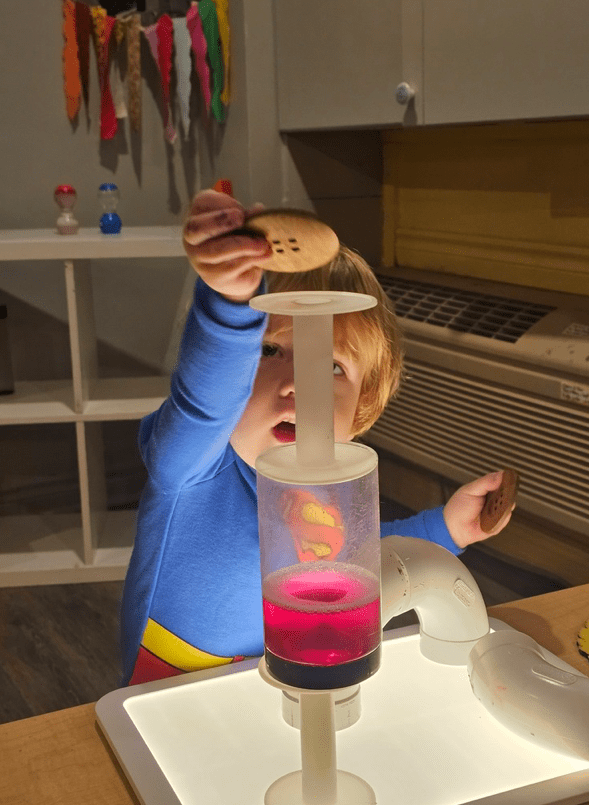
The environment becomes what Reggio educators call “the third teacher”, a space that invites thinking, not just compliance.
3. The Curriculum We Offer
When children are seen as capable thinkers, curriculum is not pre-packaged.
Instead, it is:
- Emergent
- Responsive
- Built from children’s questions, theories, and interests
We don’t just ask, “What should we teach?”
We ask, “What are children trying to understand?”
4. The Expectations We Hold
Our expectations rise not in pressure, but in possibility.
We trust that children can:
- Solve problems
- Navigate relationships
- Express complex ideas
- Participate meaningfully in their community
This doesn’t mean stepping back completely, it means stepping in with intention.
5. The Relationships We Build
At the heart of the Reggio values is a deep respect for relationships.
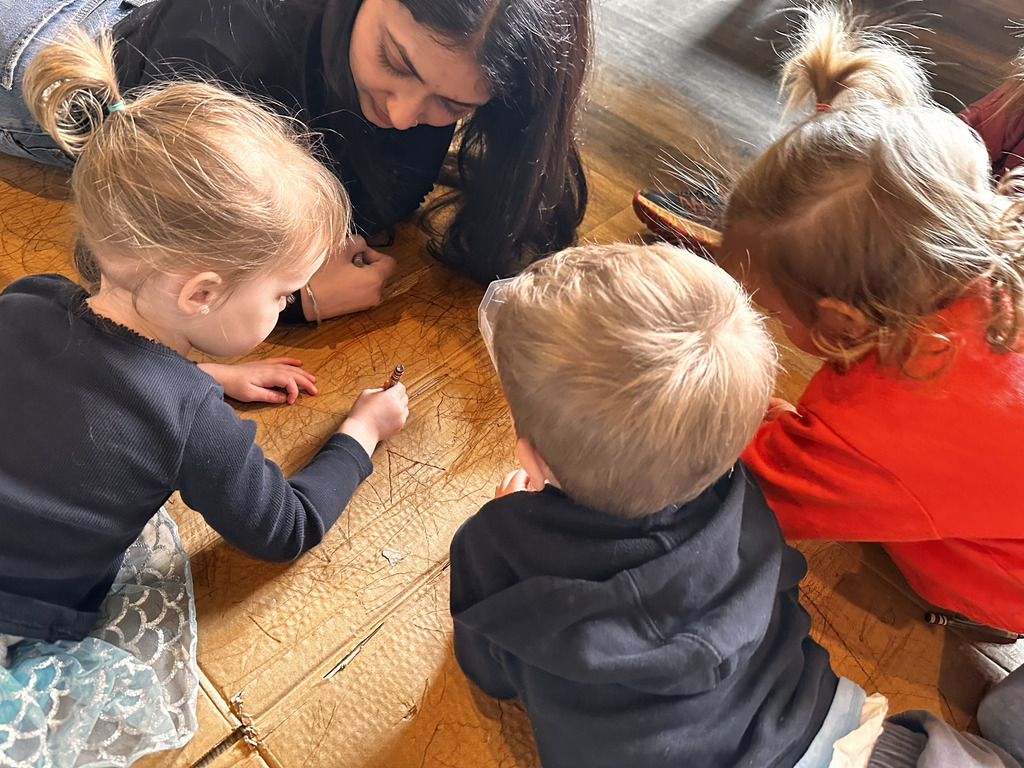
When we see children as capable:
- We listen more than we direct
- We observe before we intervene
- We build connection before correction
We recognize that learning is not an individual act, it is co-constructed through relationships.
Honouring Identity, Voice, and Rights
A strong image of the child is also a commitment to children’s rights.
At Allegro, this means:
- Honouring each child’s identity, culture, and lived experience
- Creating space for every child’s voice to be heard
- Valuing many forms of expression—the “hundred languages” of children
- Ensuring children influence their environment and learning
This aligns with the Reggio value that education is not just about learning, it is about participation, democracy, and belonging.
If children are capable, competent, and full of potential—then our role as the adult/educator shifts.
We are not simply instructors.
We are:
- Listeners: tuning into children’s ideas and emotions
- Researchers: observing and interpreting learning
- Designers: creating environments that invite thinking
- Co-learners: growing alongside children
We slow down.
We pay attention.
We make learning visible.

