
Our curriculum is a dynamic and responsive framework that is rooted in evidence-based practice, anti-biais education and play-based learning. It emerges from the interests, questions, and experiences of the children. Drawing inspiration from the Reggio Emilia Approach, it emphasizes child-centered learning, project-based activities, and the integration of multiple forms of expression. It is supported by “the Hundred Languages,” a belief that children use art, language, physicality, experimentation, relationships, and many other avenues and mediums as forms of communication and expression.
-
Child-Centered Learning
- Recognize and support each child’s potential, curiosity, and ability to construct knowledge.
- Foster a sense of agency and autonomy in children’s learning processes.
-
The Hundred Languages of Children
- Encourage children to express themselves through various mediums, including art, music, movement, and storytelling.
- Value and integrate diverse ways of knowing and communicating.
-
Collaborative Learning
- Promote a collaborative environment where children, educators, and families learn together.
- Facilitate group projects and activities that encourage teamwork and mutual respect.
-
The Environment as the Third Teacher
- Design learning spaces that are stimulating, welcoming, and reflective of the children’s interests.
- Use the environment to provoke curiosity, exploration, and discovery.
-
Documentation and Reflection
- Regularly document children’s activities and learning processes to make their thinking visible.
- Use documentation for reflection, assessment, and planning.
-
Community and Family Engagement
- Actively involve families and the community in the educational process.
- Create opportunities for families to contribute to and participate in the learning environment.
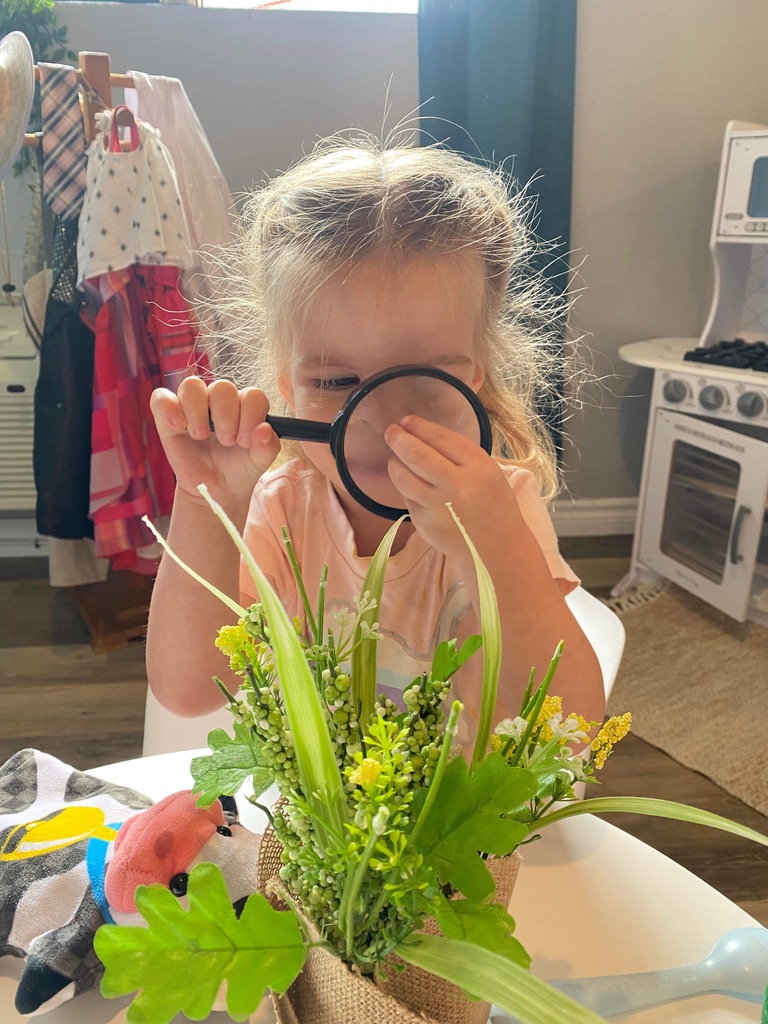
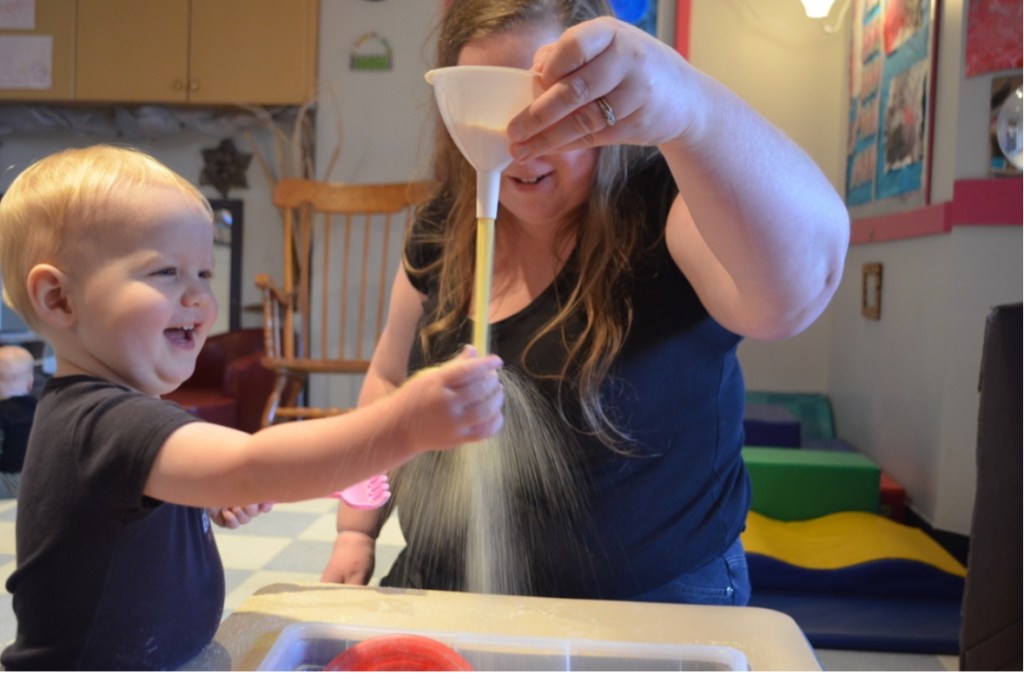
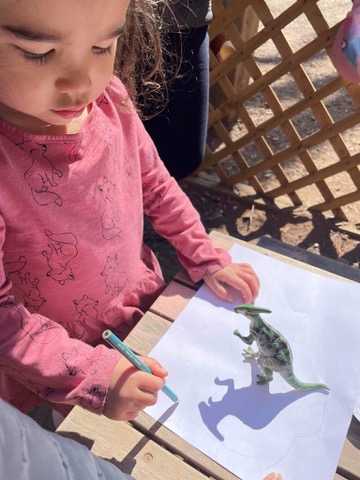
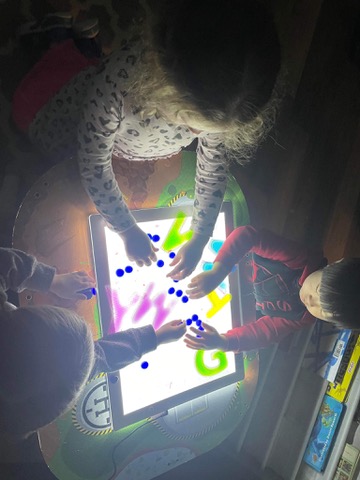
Young children learn by doing, touching, experimenting, choosing, talking and negotiating.

 allegrochildcare.ca