
“Learning and teaching should not stand on opposite banks and just watch the river flow by; instead, they should embark together on a journey down the water. Through an active, reciprocal exchange, teaching can strengthen learning and how to learn.” Malaguzzi, L. 1998, ‘History, ideas and philosophy’, in Edwards, C. Gandini, L. and Forman, G. 1998, The Hundred Languages of Children: The Reggio Emilia Approach, Ablex Publishing, Greenwich (p83).
This passed week we celebrated the end of a long 8 month journey with our pedagogical leader, Amy Ewaldt by hosting a child-led parent/educator evening and then a conference for fellow ECE’s.
In preparation for this week we reflected on our journey, where we were just over a year ago and where are we now. WOAH, it was overwhelming in all of the best ways.
We started this journey recognizing that we were all a bit stuck from the covid-fog, feeling fatigued, uninspired and lacked the ability to make real connections with children, families and with each other as co-workers. When we were in this state, we knew WHAT we were doing, but we forgot to let our WHY lead us. ( check out this video and you’ll get what we are saying https://www.youtube.com/watch?v=1ytFB8TrkTo)
Last April we set out with a goal: we needed to bring back the Allegro Community vibe that we were missing, we wanted to grow a culture promoting growth, teamwork, curiosity and wonder. We saw children struggling, so we wanted educators to feel confident in reading cues and being able to offer secure attachments .
Last year we offered a staff retreat focusing on our “Why” , exploring our Image of the Child and Image of the Educator, Handle with Care and Circle of Security. Then in June the leadership ventured to Italy to partake in a leadership conference and visit Reggio Emilia. We came back remembering why and being re-inspired by Reggio Emilia as it honours children for who they are and where they are- they are seen as capable little citizens, it is family and community centred allowing for exploration, curiosity, wonder, critical thinking, creativity and discovery. It is inclusive.
Recognizing that we couldn’t be everything for our staff, and knowing that Allegro would benefit from an outside pedagogical leader, we started to dream. After meeting Amy in Italy, a person who has immersed herself into Reggio Emilia, we knew that she could be a valuable resource for us all, who would bring passion and enthusiasm. In collaboration with the Allegro leadership team, a framework was developed with intentional activities, reflections and readings.
We started our journey looking at relationships. Relationships are fundamental in the Reggio Emilia approach because they support children’s social, emotional, and cognitive development. By fostering positive relationships, educators create an environment where children feel empowered to explore, discover, and learn together.
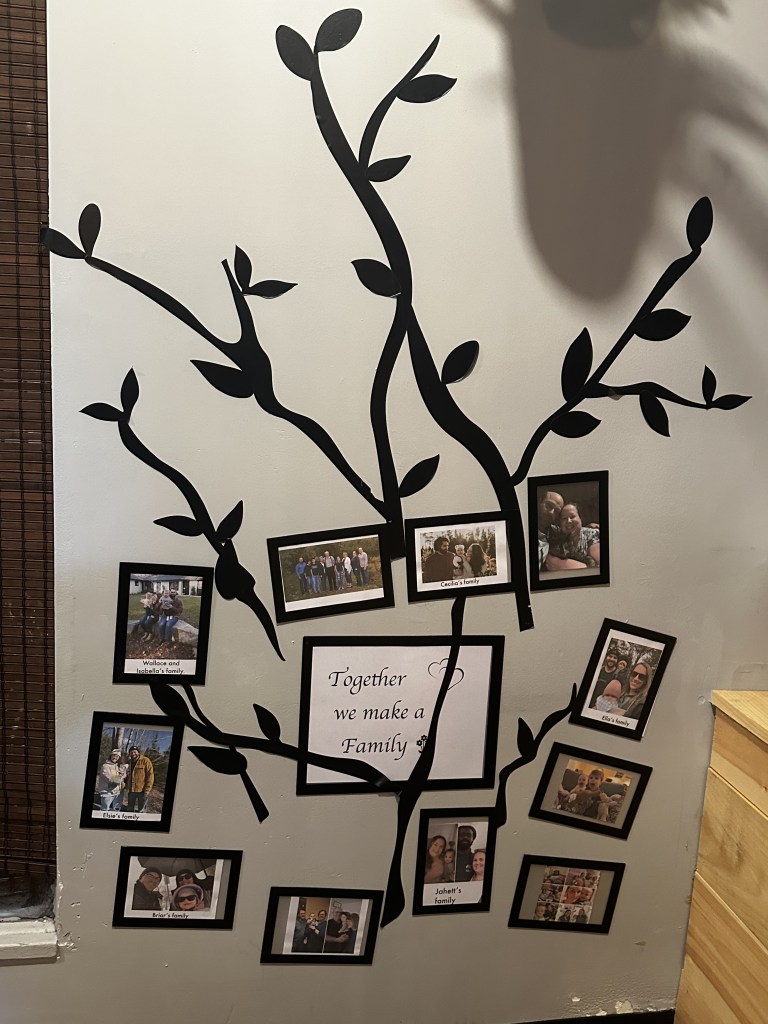
We learned that in order to support the child, we need to support the whole child- this includes, their families, the community and their educators. To be truly inclusive and anti-bias, we needed to learn how to seek to understand (active listening). When families are viewed as partners and experts in their children, the child benefits. When people have a sense of belonging (feel seen, heard and understood), they feel more confident in their abilities.
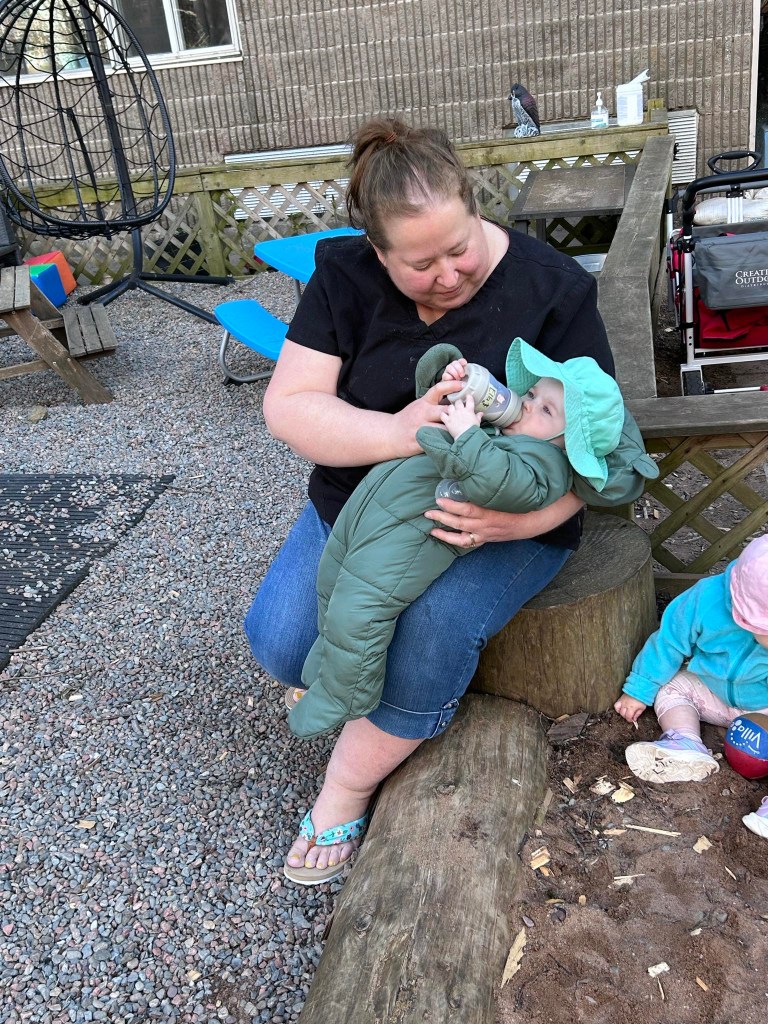
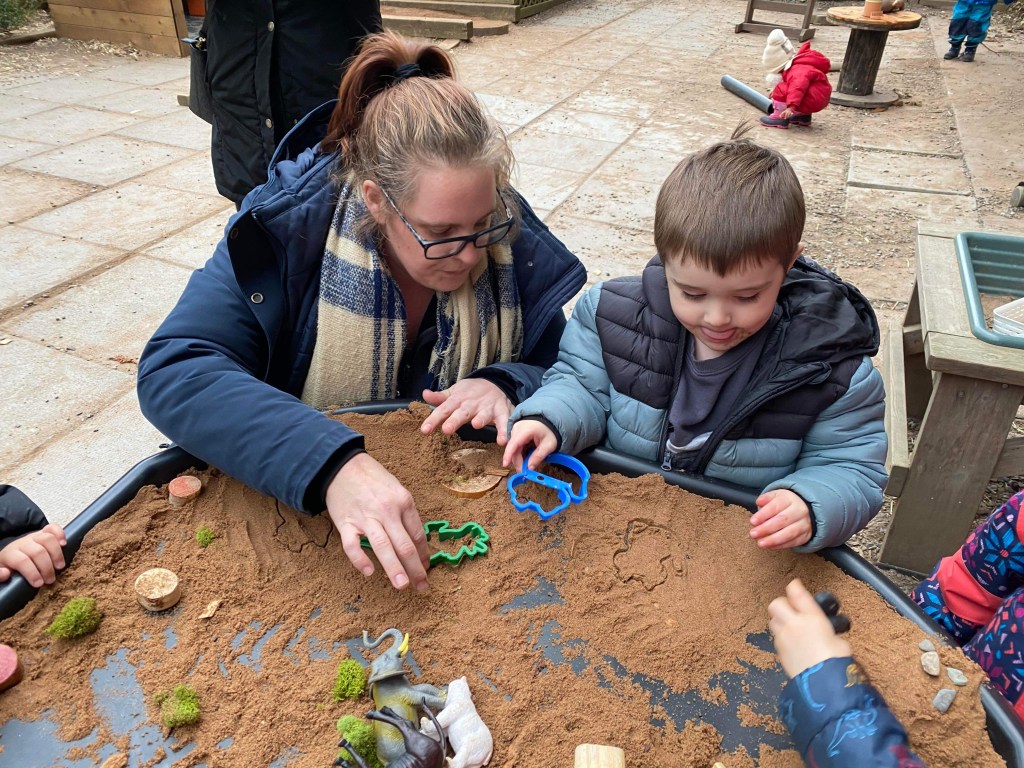
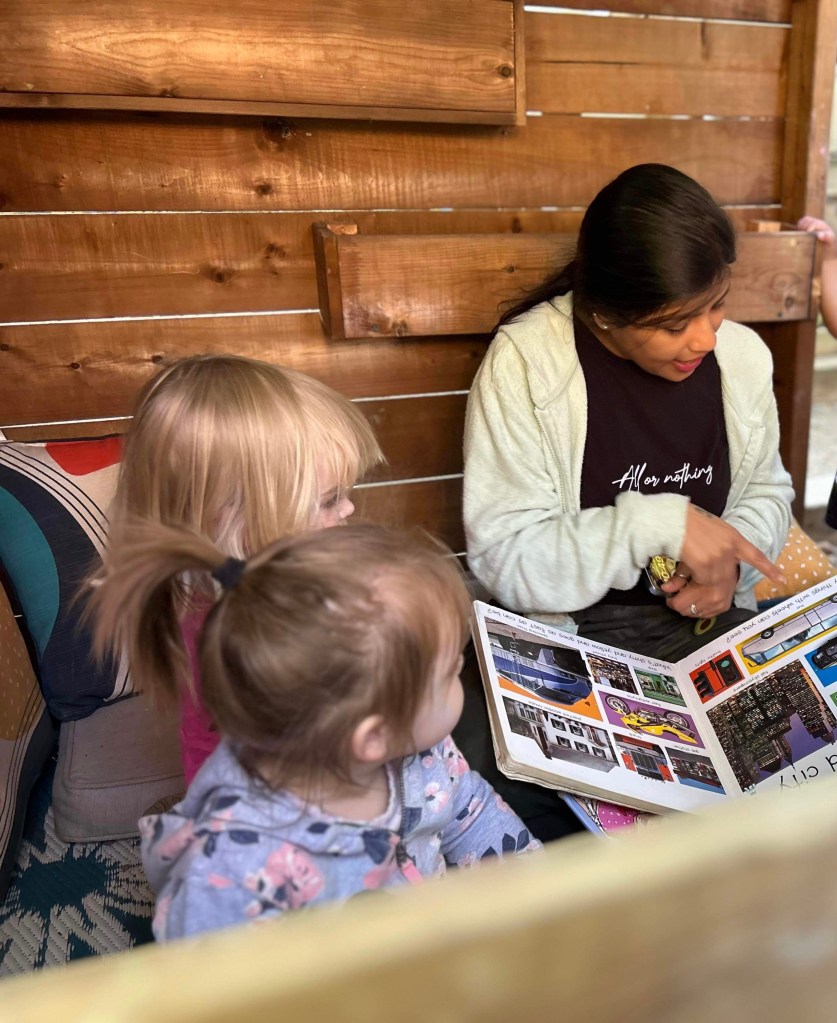

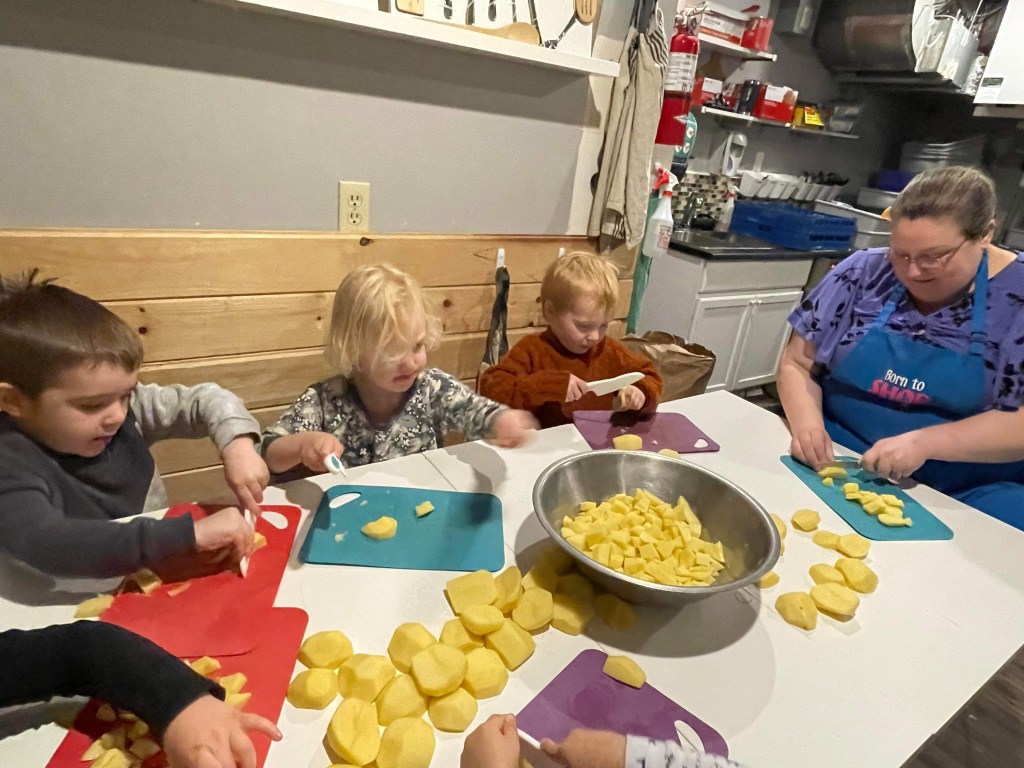
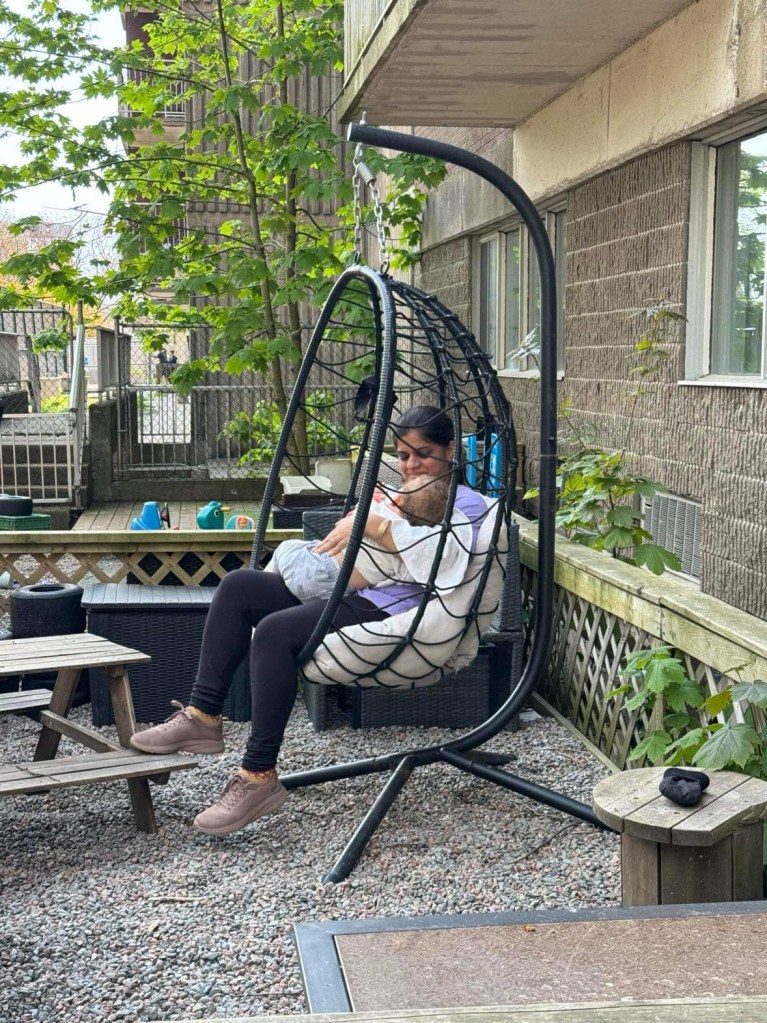
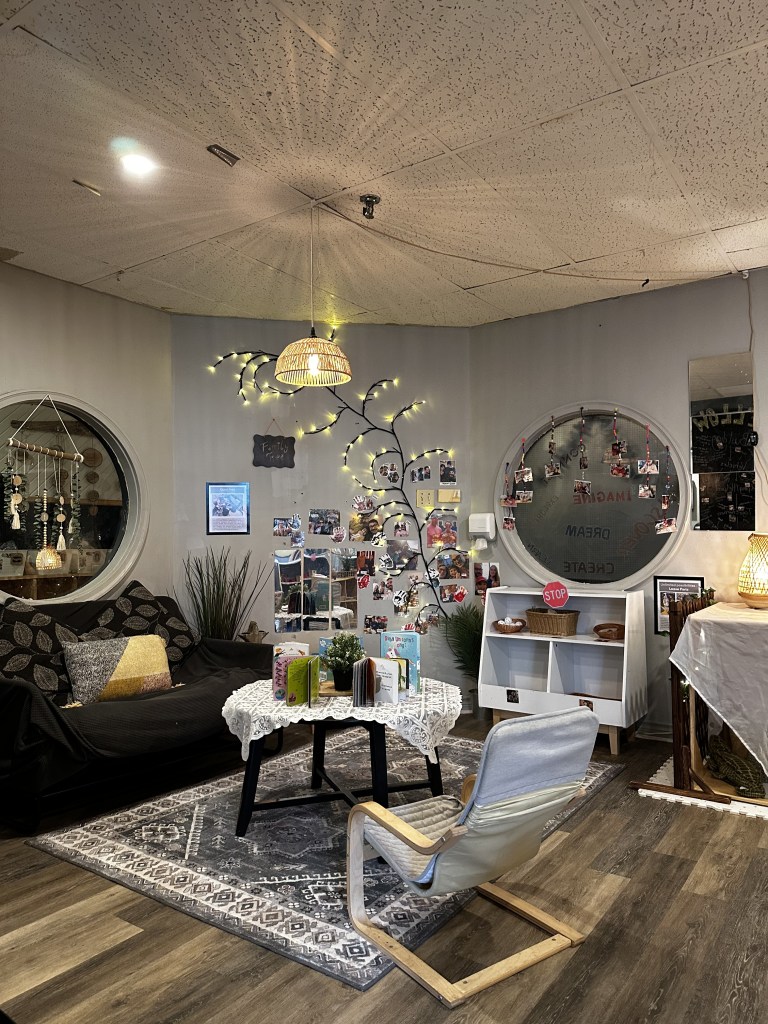
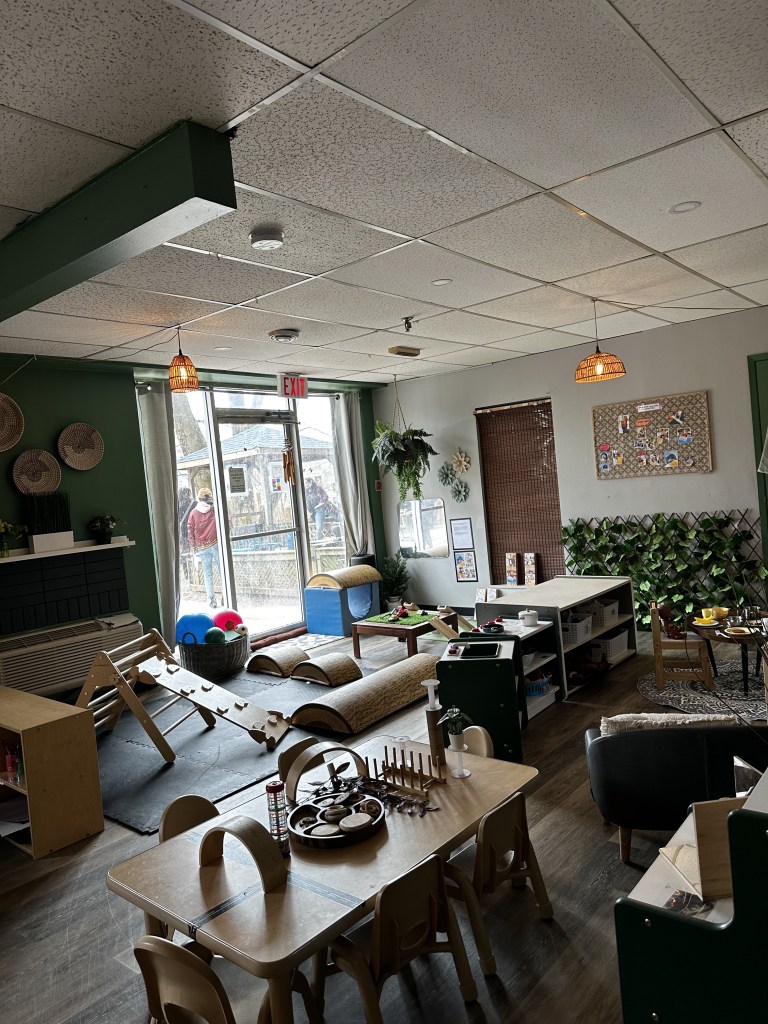
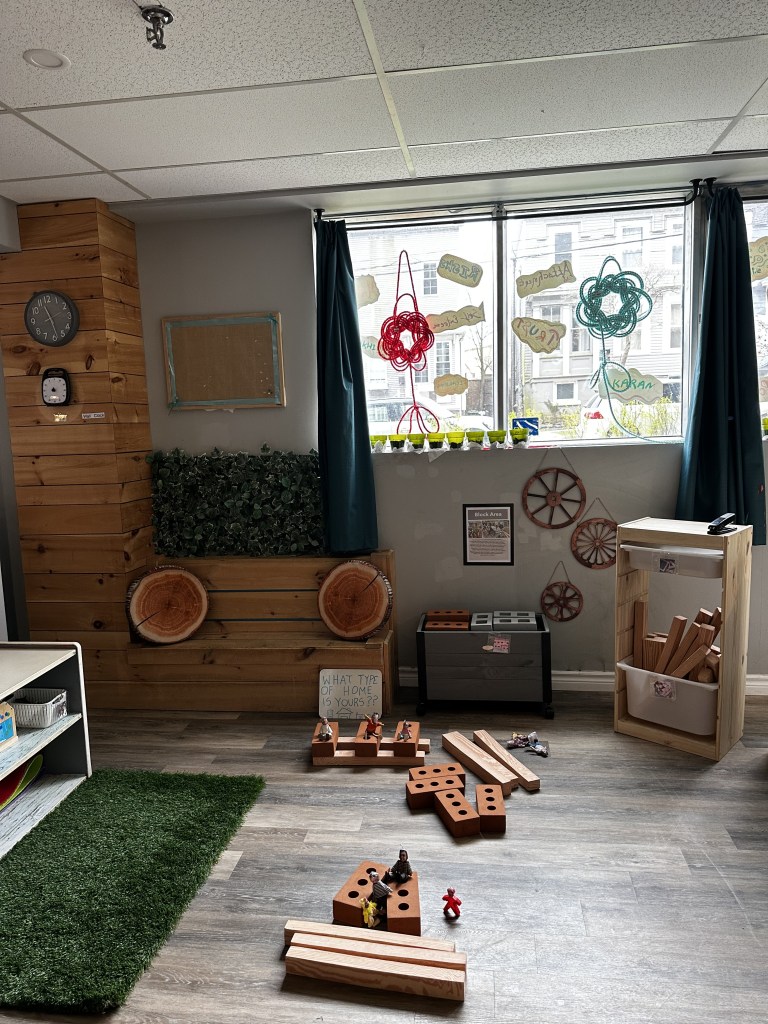
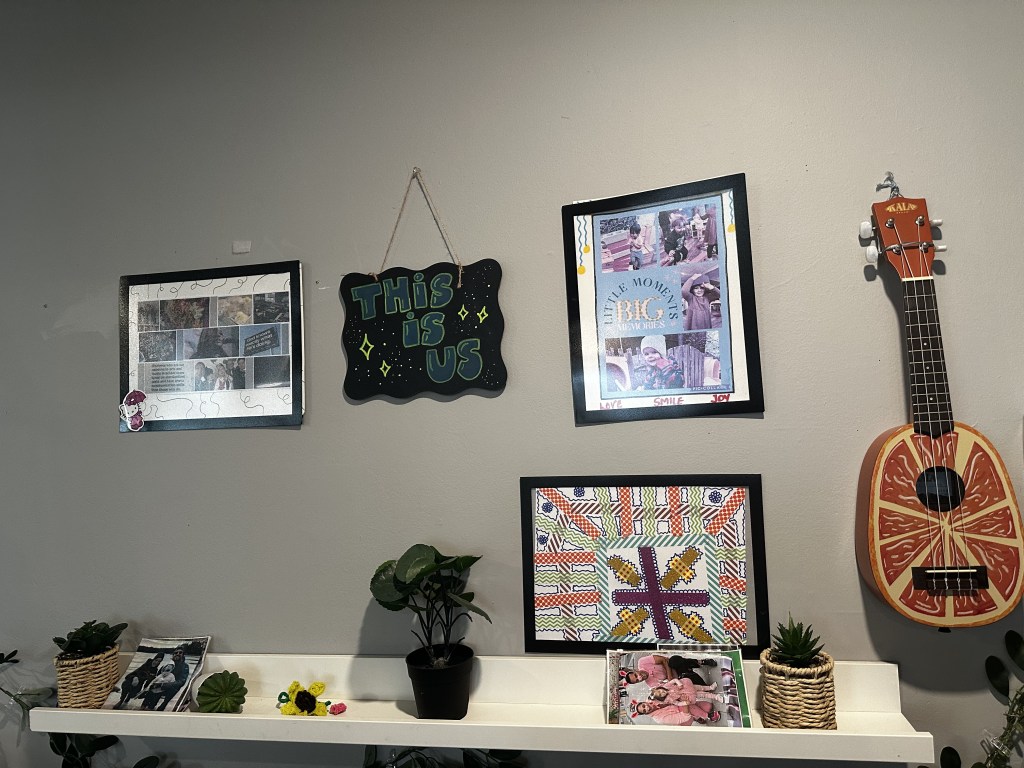
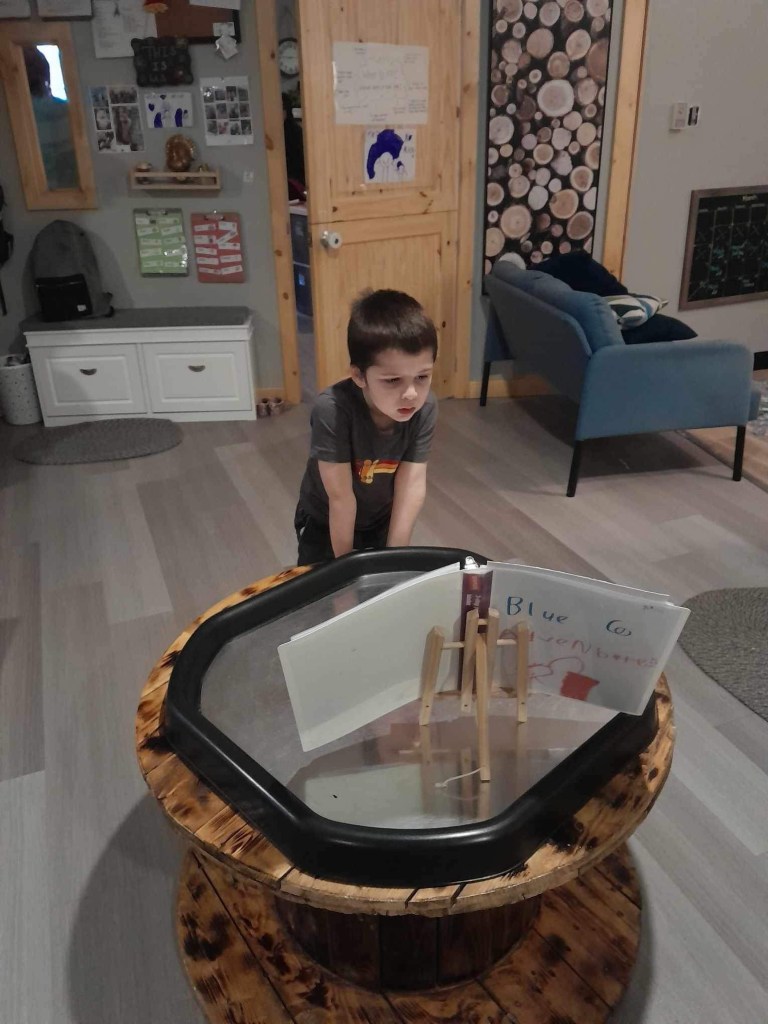
We had many staff evenings and meetings where we focused on “the environment as the third teacher” in the Reggio Emilia. This concept is essential in creating environments that are engaging, supportive, and responsive where educators empower children to explore, discover, and construct their understanding of the world around them all while fostering a sense of belonging and sense of self. Amy helped us remember to celebrate ourselves and that we needed to feel like we belonged in the space as well. From this was born our “This is Us” shelves and our family trees.
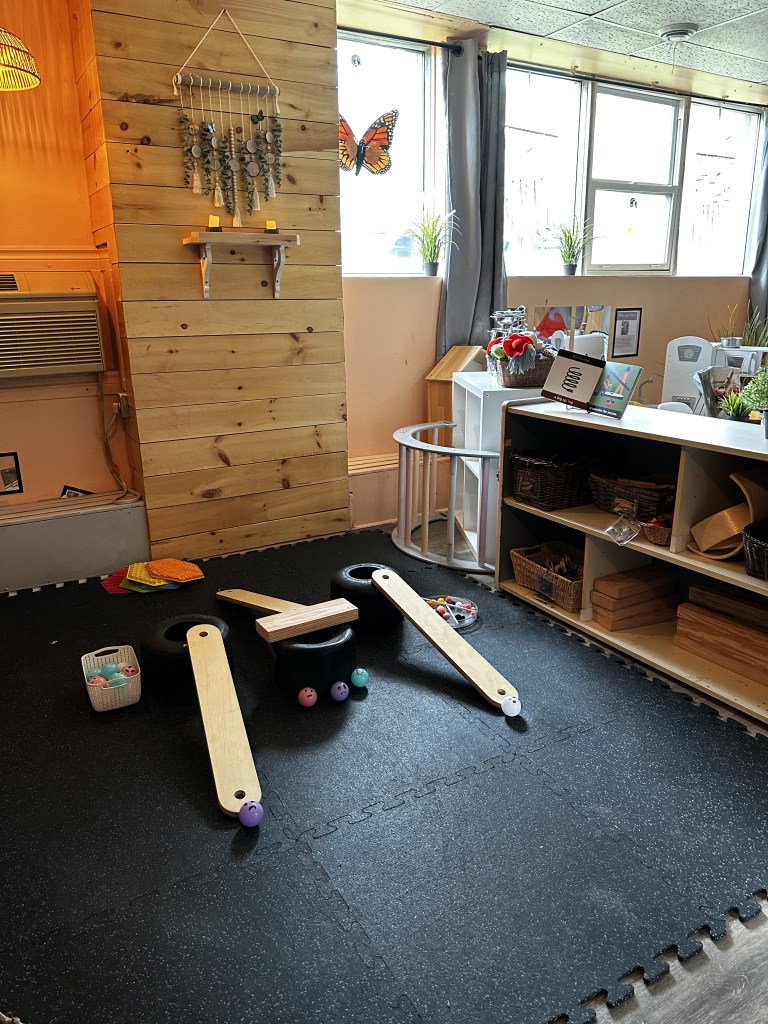
When environments are welcoming and set up according to the interest of the children in the room, they are excited to enter the room and are engaged The environment sets the tone – it can promote calm, inviting feelings or it can be over stimulating.
When children have a clear vision of the expectation, they “understand the assignment”, you won’t find them bouncing around.
Educators need to be part of the process in order to understand the why, to respect the space and how to use the tools. When educators are engaged and being a play partner this allows for so much opportunity for exploration in our learning environments. The rhythm (schedule) and flow need to be flexible and supportive of the children.
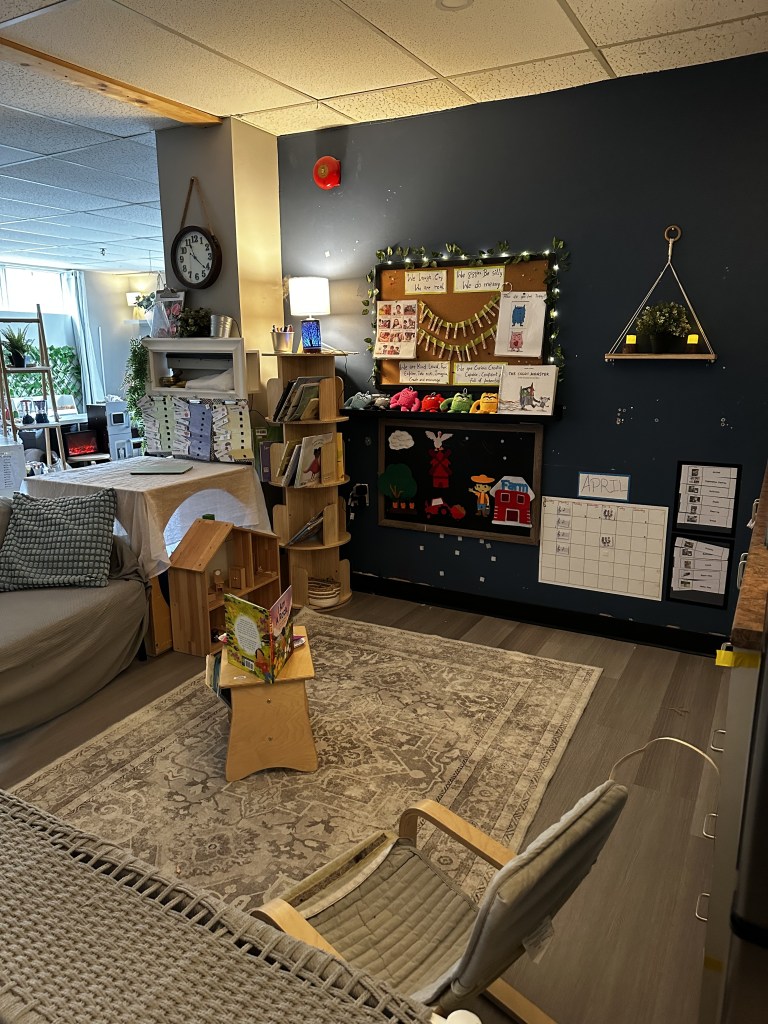

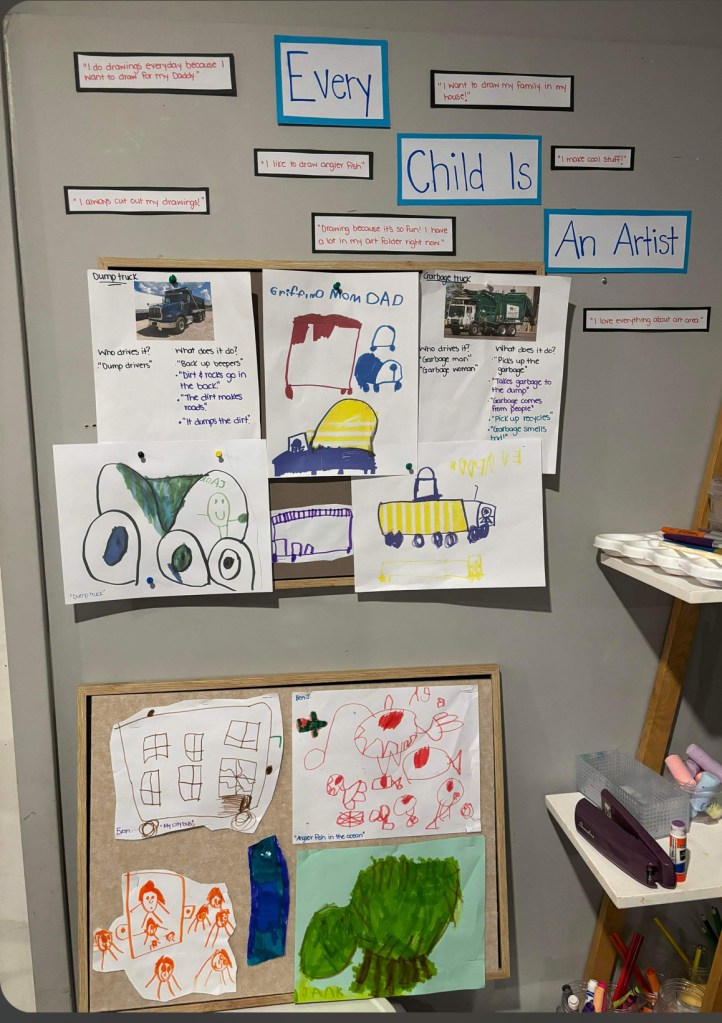
We began to really work on our observation and documentation skills, which are fundamental practices in the Reggio Emilia approach, serving as tools for understanding, reflection, collaboration, and celebration in the dynamic process of children’s learning and development.
We learned that ECE’s do not have enough time to focus on meaningful documentation, we needed to embed it into their daily routines and invest in programming time. The children LOVE being included in the documentation process and reflecting on their past work/journey. When we take time observe and document in an intentional way, we can understand children at a deeper level.
While it felt overwhelming in the beginning, our days became easier when we took the time to to observe, document and reflect. The families are becoming invested in our program, they are seeing what is happening and their children are excited and proud to show them. We needed to remind ourselves that there isn’t a “right” or “wrong” way- each person needs to use a tool that works for their style.
Now, observation and documentation are essential to our planning process and in how we support children. This is going to become a big focus in the coming months as we grow and master these skills.
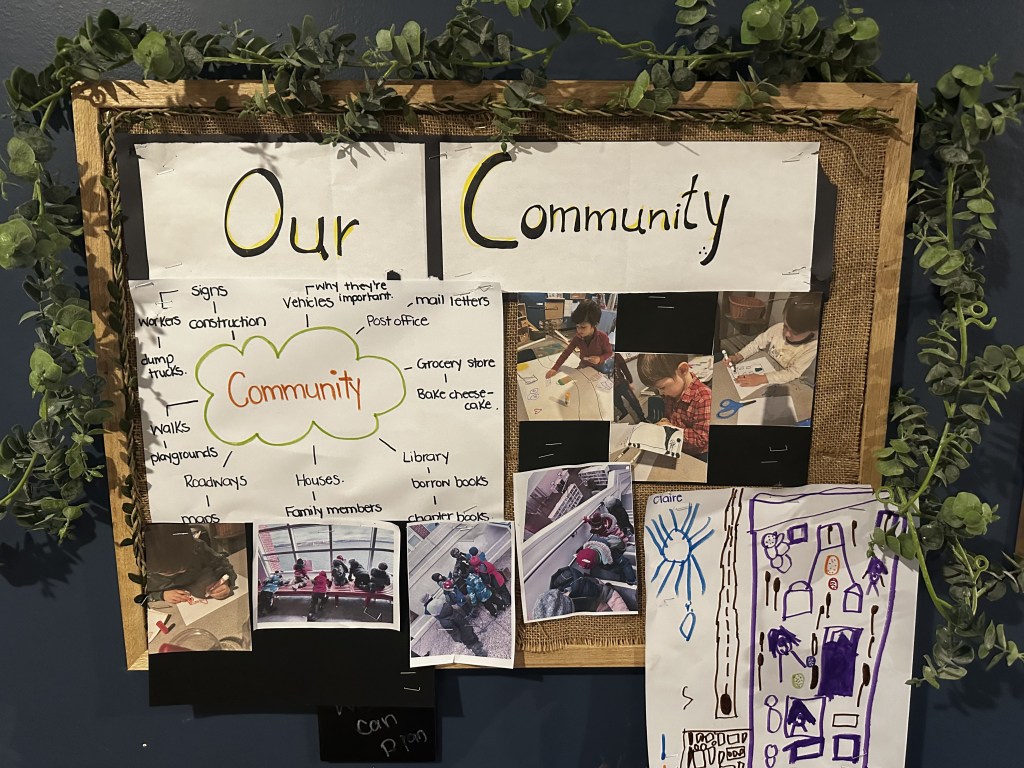
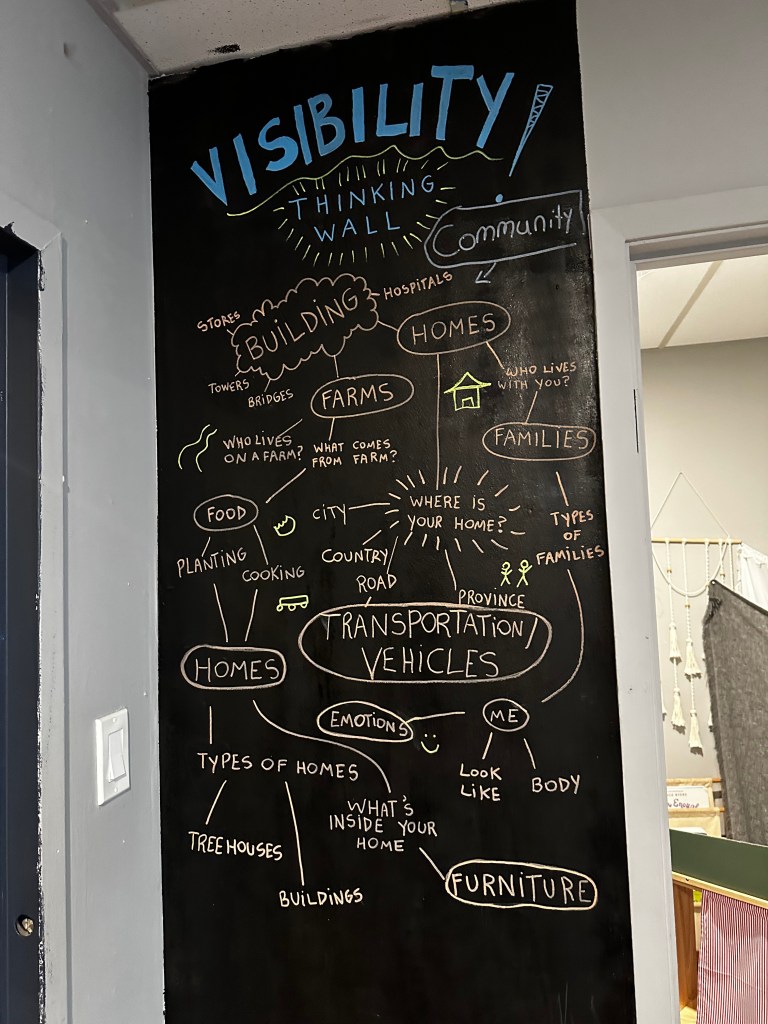
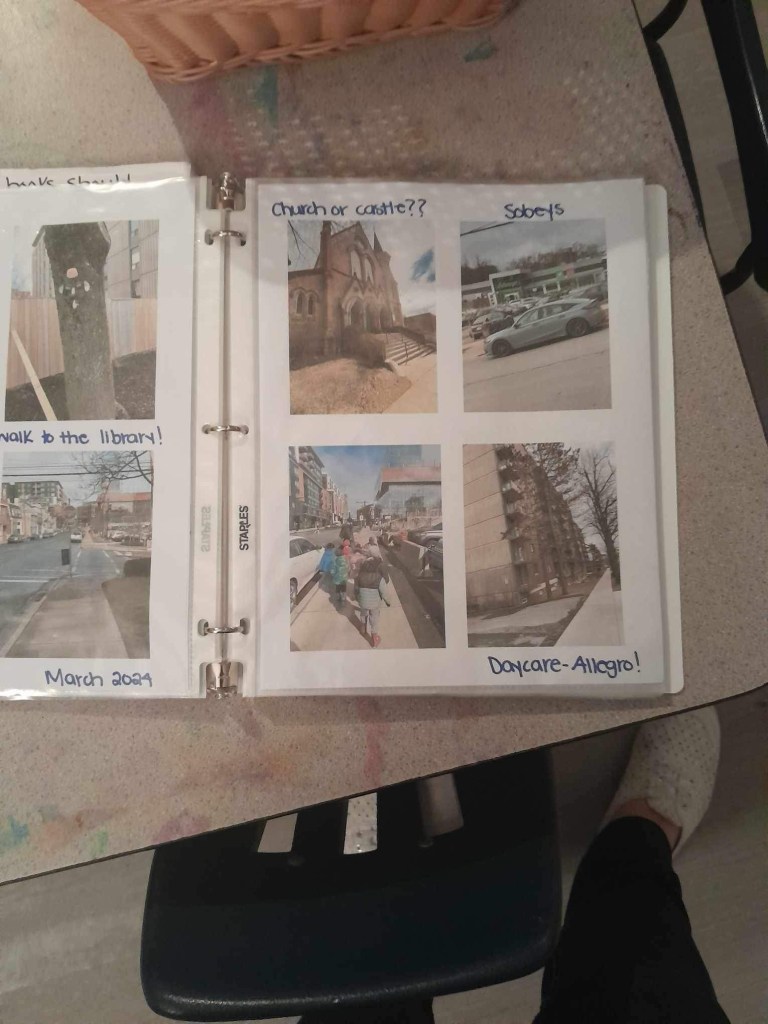
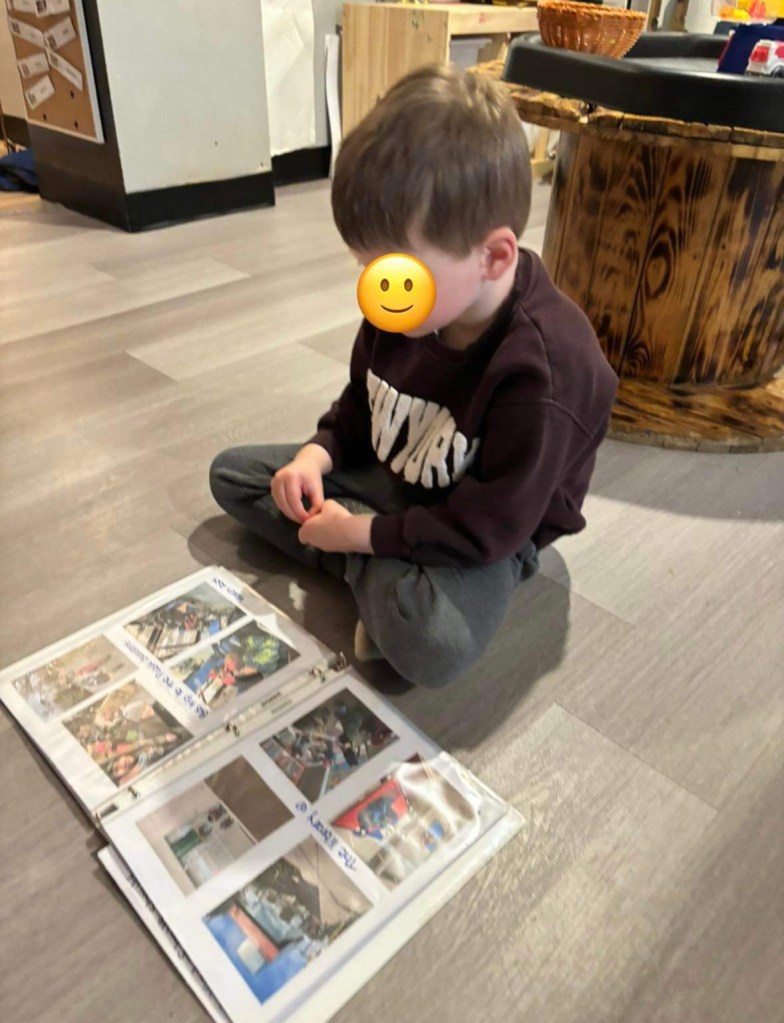
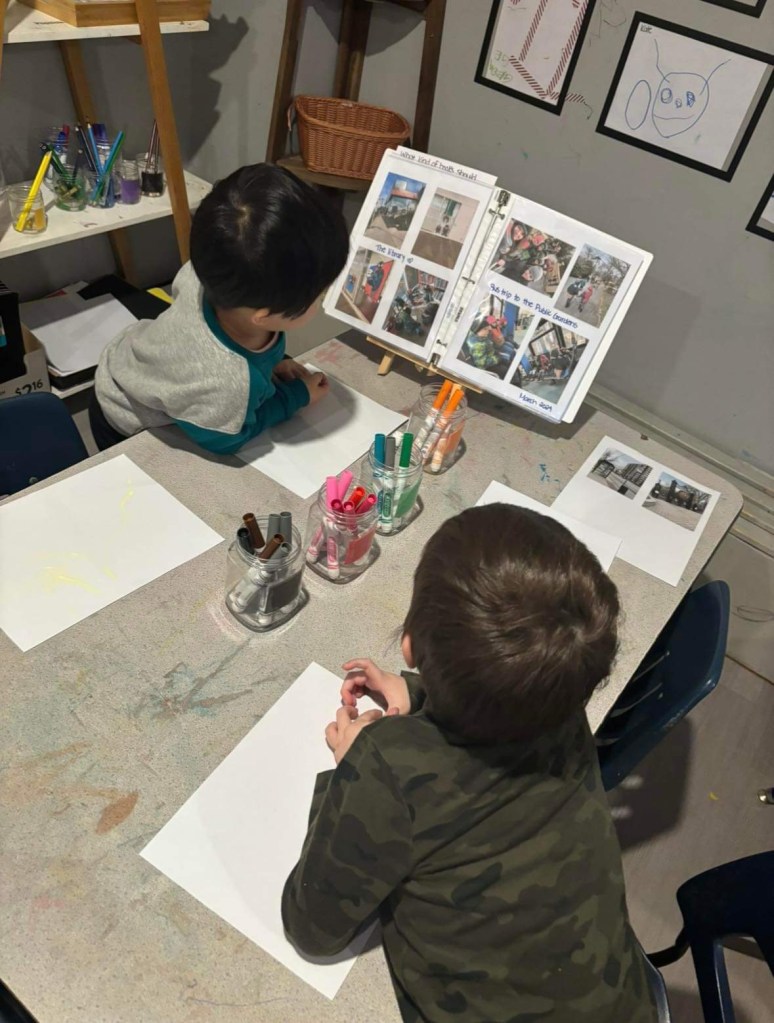

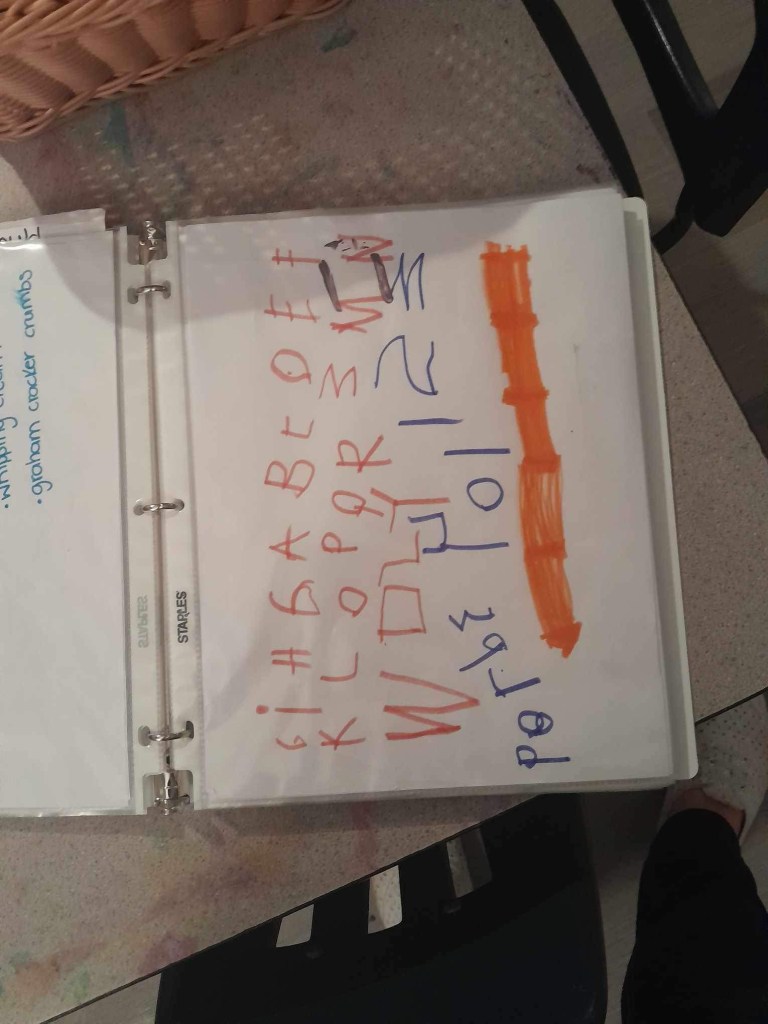
Lastly, we feel like we have an Allegro community again as we are not only coming together with our families but we are connecting with other professionals and making community partners.
We have learned that engaging the community enhances learning experiences, promotes cultural awareness and appreciation, fosters social responsibility, strengthens family partnerships, and cultivates a collaborative learning environment that empowers children to become active, informed, and engaged citizens in their community and beyond.
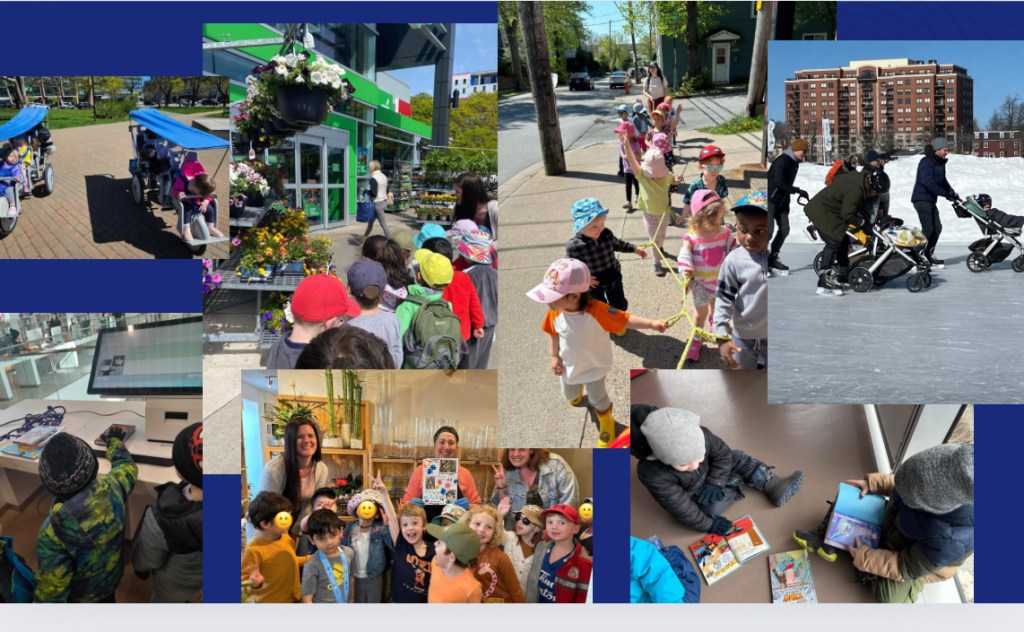
In the past 8 months, the journey towards a deeper understanding of Reggio Emilia philosophy has been marked by various implementations and challenges. Educators have embraced Reggio principles such as becoming co-researchers with children, slowing down, and following child-led approaches. We have learned to adopt reflective practices into our daily routines, where we can gain perspective and check our bias. Collaborative efforts among colleagues have been crucial, providing unexpected support during challenging times and fostering a positive learning environment.
Despite moments of feeling stuck, educators have gained valuable insights and skills, such as effective communication and adaptability. They take pride in deepening their understanding of children’s interests, improving documentation practices, and fostering meaningful connections with both children and families. The journey has resonated with them through experiences like embracing children’s emotions, adapting their roles as educators, and finding inspiration in collaborative learning environments.
Throughout, the emphasis remains on slowing down, being present with children, and fostering genuine connections to facilitate enriching learning experiences.
To say that we have become a team is an understatement.
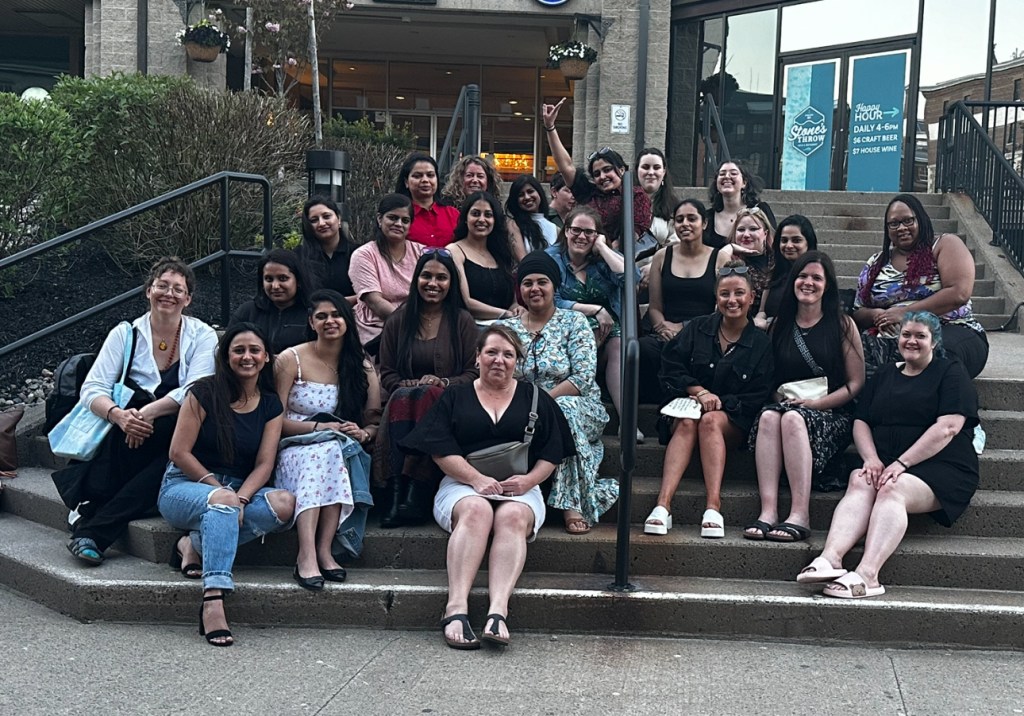
Last week, it felt so validating to share our success with our fellow ECE’s. Feedback from the participants allowed us to see ourselves through someone else’s eyes. They noted from the facility tour a strong focus on children’s well-being and staff appreciation. The environment felt warm, engaging, and child-centered. The use of lighting and textures created a calm and welcoming atmosphere. The outdoor space was well-designed, incorporating natural elements seamlessly.
Key takeaways for improving learning environments included emphasizing mindfulness, collaboration with families and colleagues, and prioritizing child-led experiences. Slowing down and using intentional language, along with incorporating more natural materials, were also emphasized.
Additionally, fostering staff growth and community engagement were highlighted as important goals. One standout comment was how confident our staff seemed- while they spoke about their work, while they were engaged with children and how they supported children.
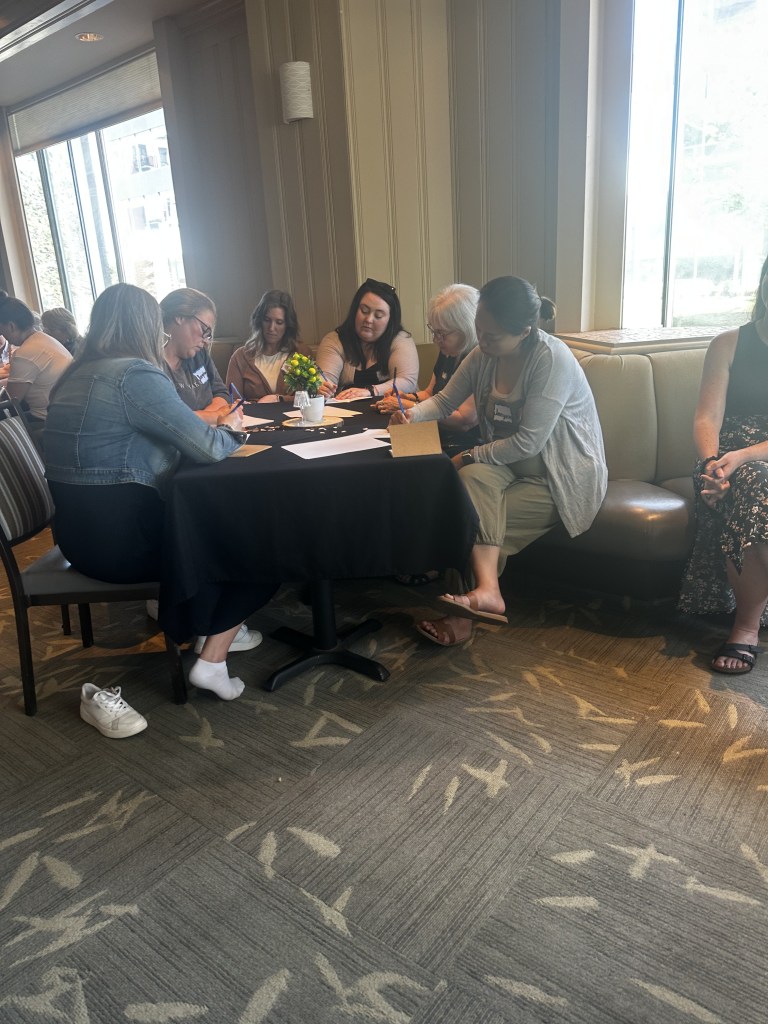
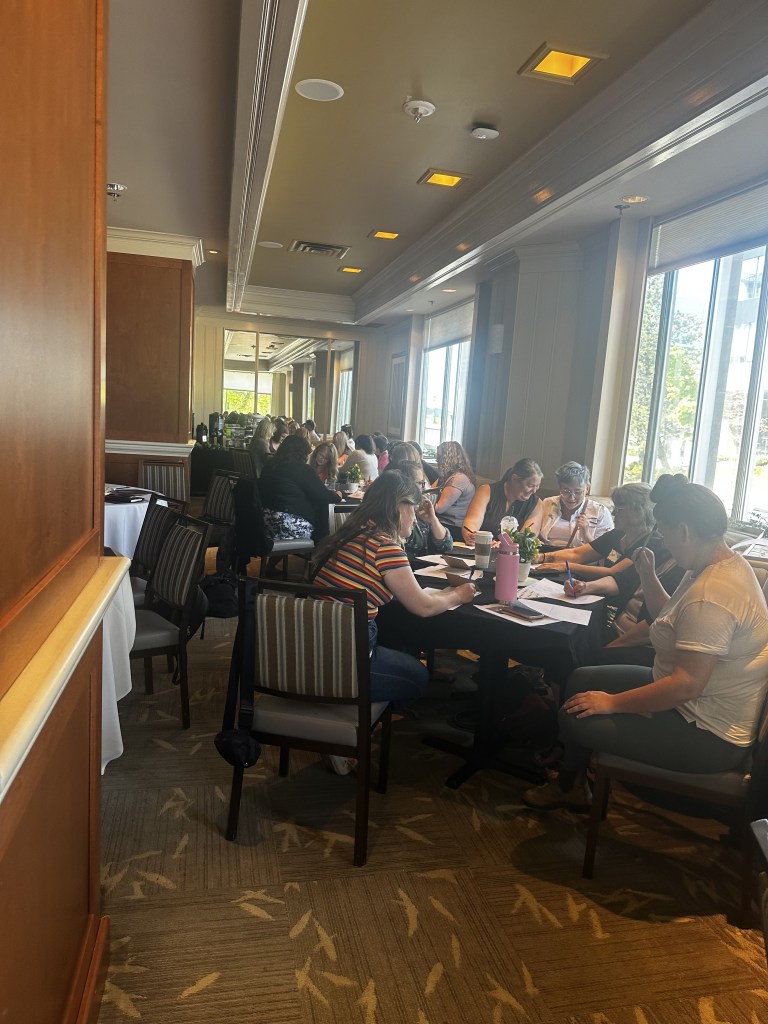
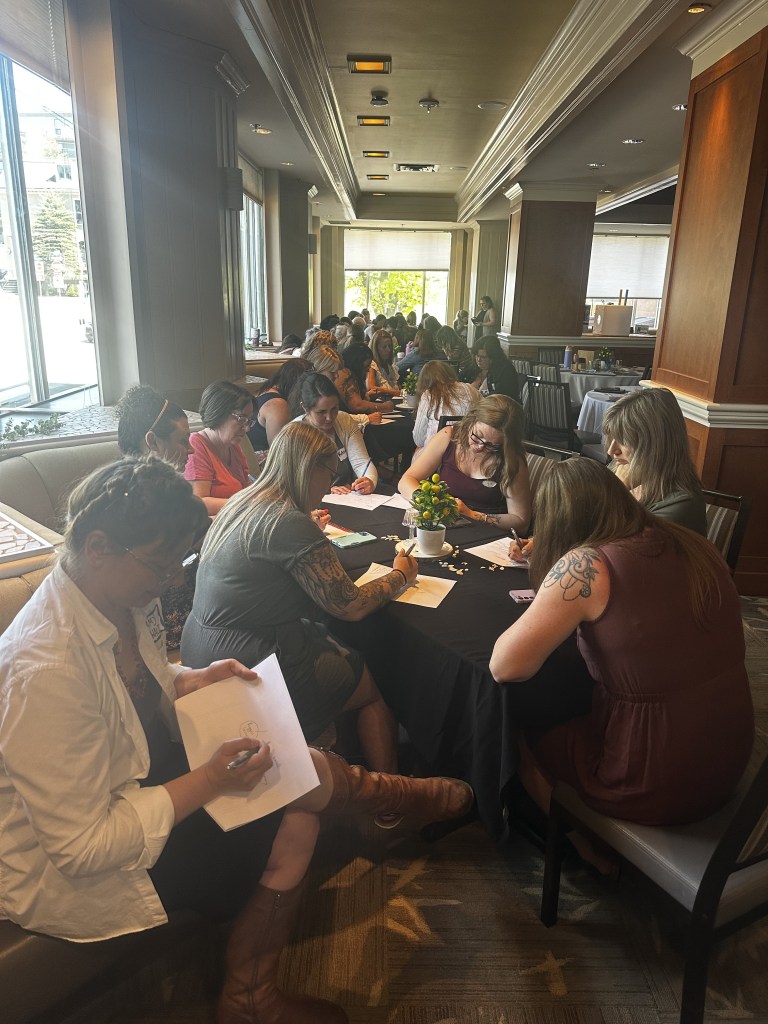
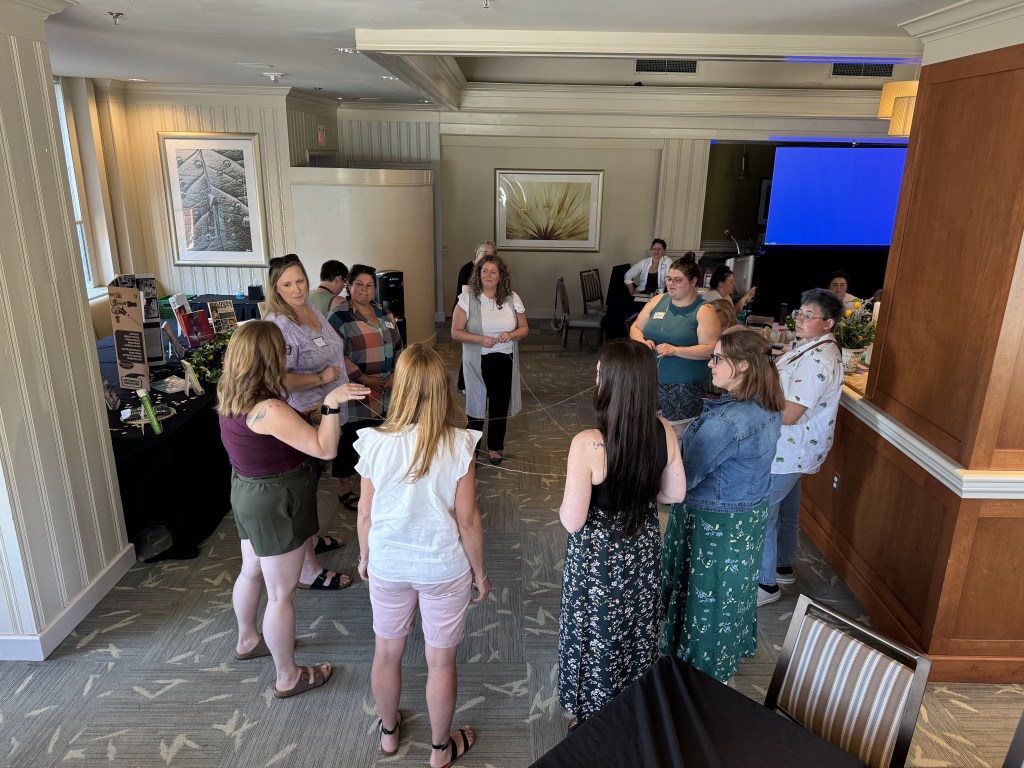
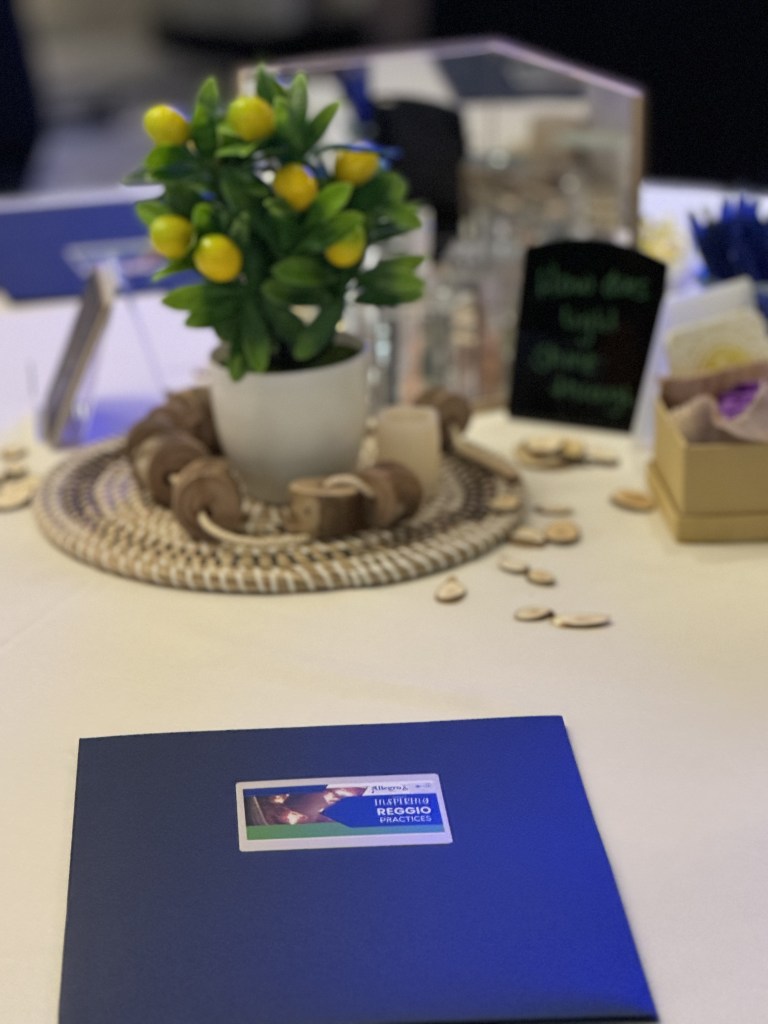
We have seen so much growth in our centre and truly feel like all of our goals have been accomplished.
Allegro is a community, where the children are seen, heard and valued; they have educators who are confident and attuned; we are seeing curiosity and wonder everywhere we go.
The Leadership team are so excited to be going back to Italy at the end of June, to learn from Boulder Journey School and can’t wait to report what our next journey will look like. #lifelonglearning
 allegrochildcare.ca