
What children learn does not follow as an automatic result from what is taught, rather, it is in large part due to the children’s own doing, as a consequence of their activities and our resources.
—Loris Malaguzzi, The Hundred Languages of Children
When we talk about professional bucket lists with early childhood educators – visiting Reggio Emilia is undoubtedly on it. “The Reggio Emilia Approach® is an educational philosophy based on the image of a child with strong potentialities for development and a subject with rights, who learns through the hundred languages belonging to all human beings, and grows in relations with others.” (https://www.reggiochildren.it/en/reggio-emilia-approach) The approach has inspired many centres, is taught to students across the world and has informed our Nova Scotian Curriculum Framework.
Allegro has been a Reggio Inspired centre for many years. With relationships at the core, we love the philosophy of the three educators : the parent, the educator and the environment. The environment is not only to be functional, but beautiful, inspiring and reflective of the children in it. Visiting this centre was inspiring; we were reminded of our role as researchers and co-learners, to be curious along with children allowing them to construct their own knowledge through carefully/intentionally designed spaces that promote curiosity, creativity, discovery and invention.
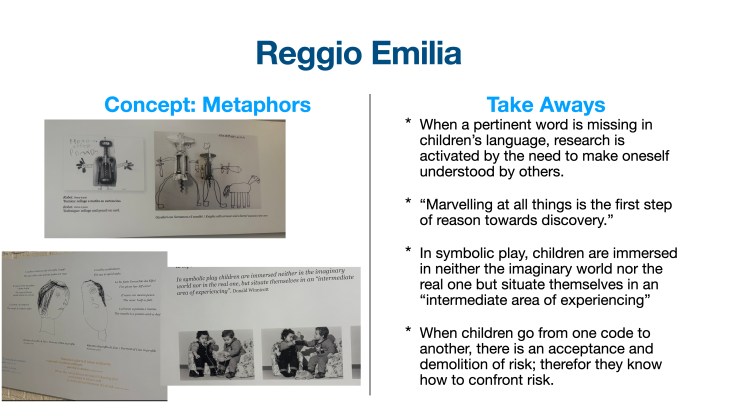
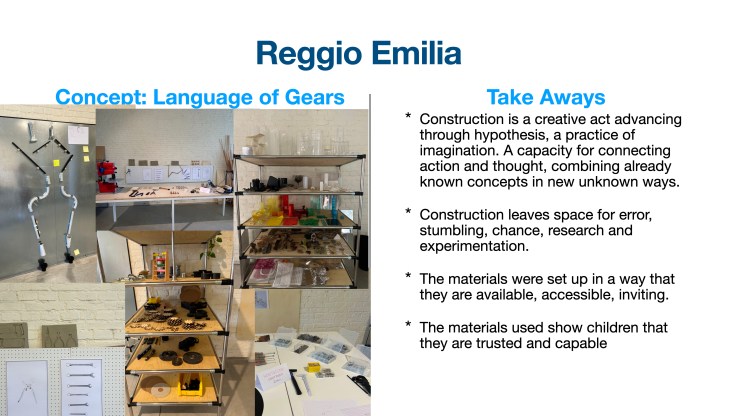
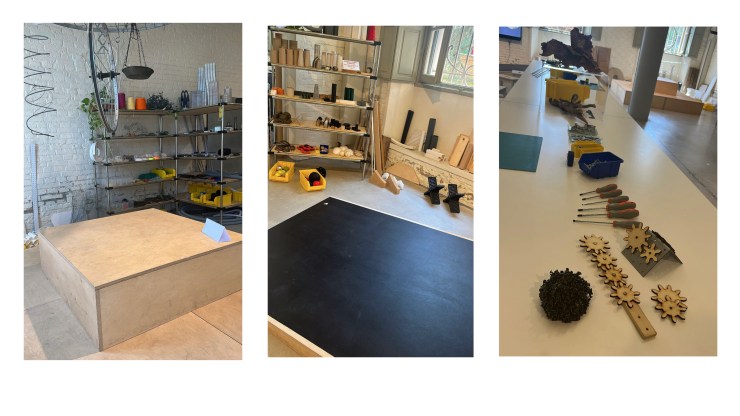
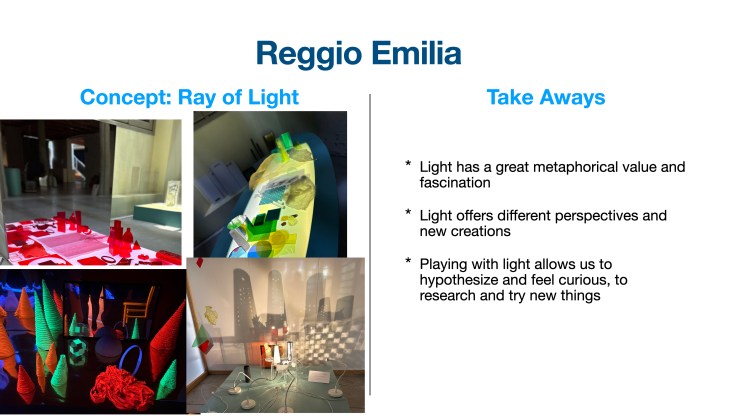
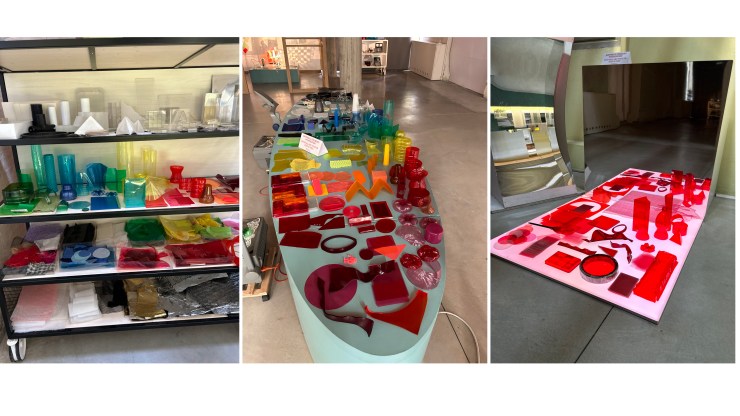
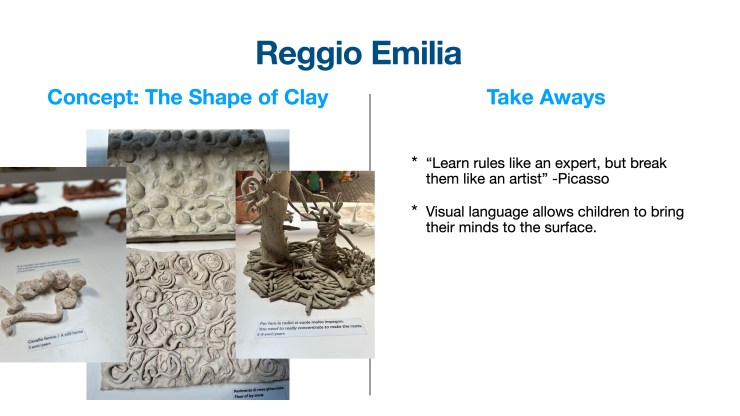
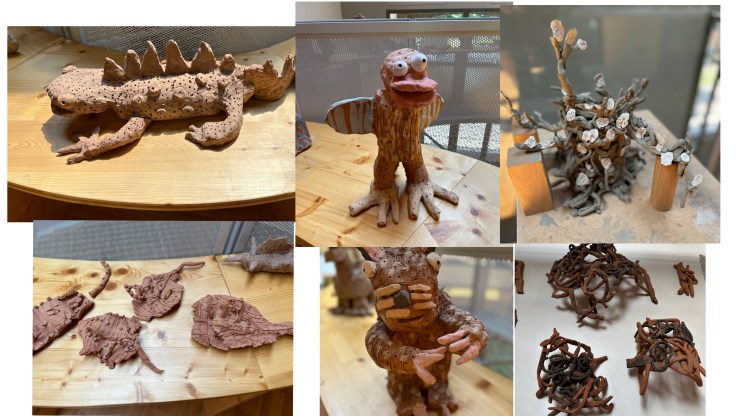
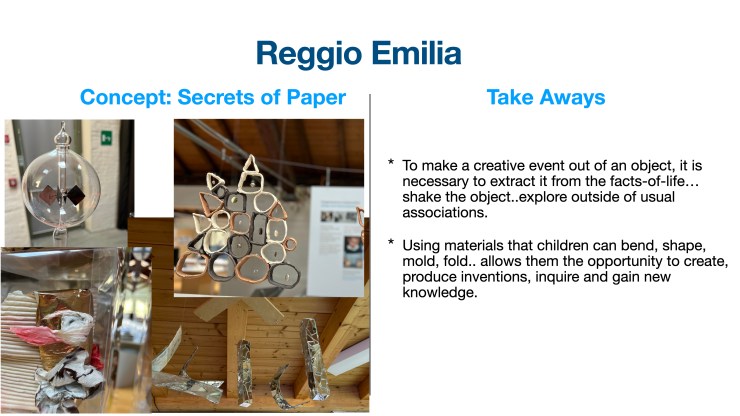
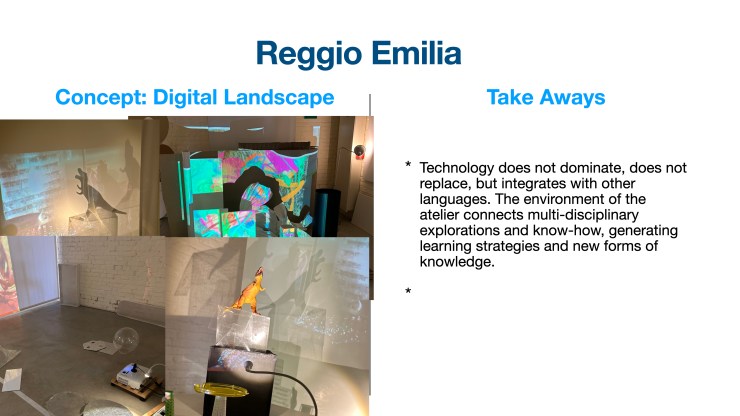
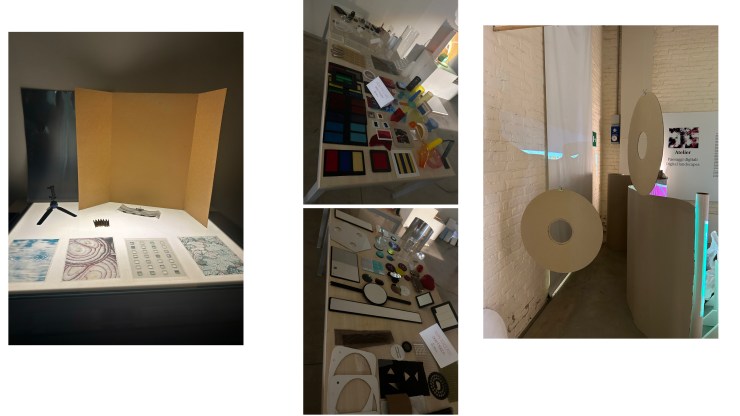
We’re excited to start meeting with our staff to bring some of these visions to life. Watch for the “Third Place”, our new atelier (workshop). We’re excited to design flexible environments with exploration centres, learn more about the role of the educator as a researchers and co-learner and adopt new documentation strategies.
We are committed to the 100 Languages as rights of children and to make it visible in our every day work.
100 languages
NO WAY. THE HUNDRED IS THERE
The child
is made of one hundred.
The child has
a hundred languages
a hundred hands
a hundred thoughts
a hundred ways of thinking
of playing, of speaking.
A hundred always a hundred
ways of listening
of marveling of loving
a hundred joys
for singing and understanding
a hundred worlds
to discover
a hundred worlds
to invent
a hundred worlds
to dream.
The child has
a hundred languages
(and a hundred hundred hundred more)
but they steal ninety-nine.
The school and the culture
separate the head from the body.
They tell the child:
to think without hands
to do without head
to listen and not to speak
to understand without joy
to love and to marvel
only at Easter and Christmas.
They tell the child:
to discover the world already there
and of the hundred
they steal ninety-nine.
They tell the child:
that work and play
reality and fantasy
science and imagination
sky and earth
reason and dream
are things
that do not belong together.
And thus they tell the child
that the hundred is not there.
The child says:
No way. The hundred is there.
Loris Malaguzzi (translated by Lella Gandini)
 allegrochildcare.ca